
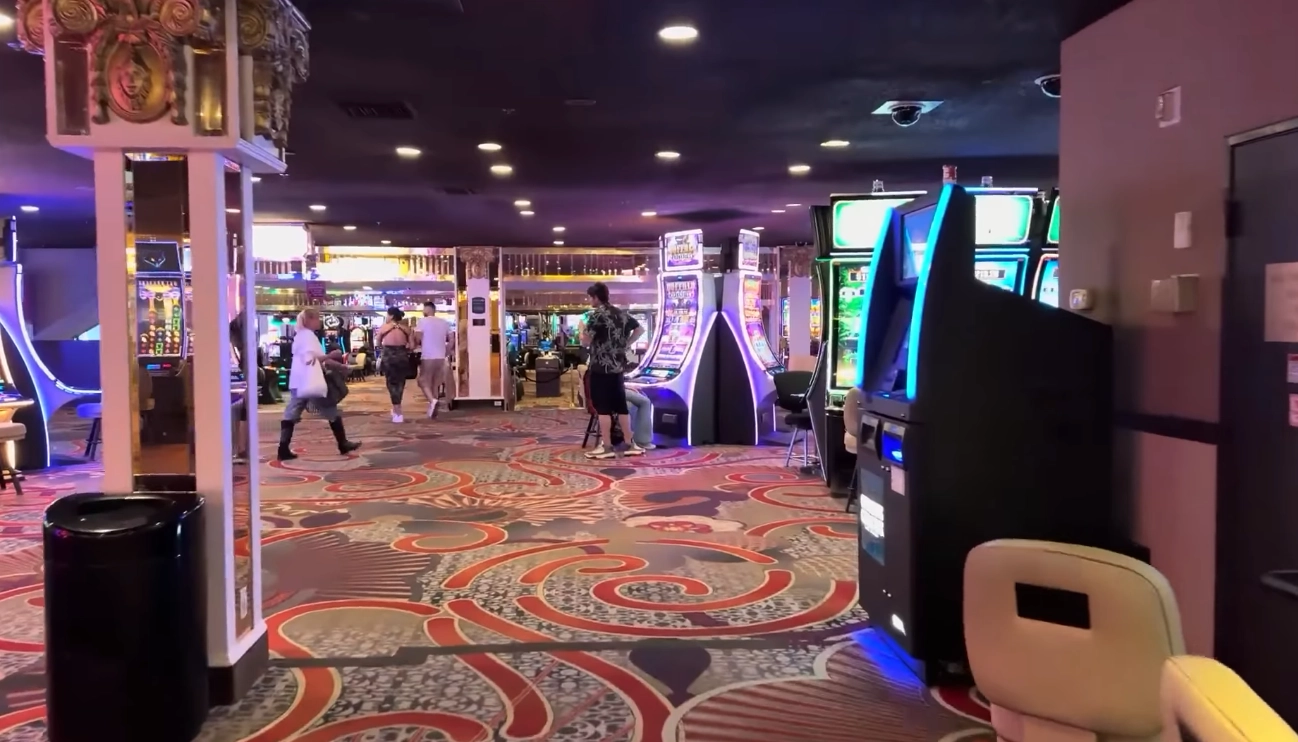
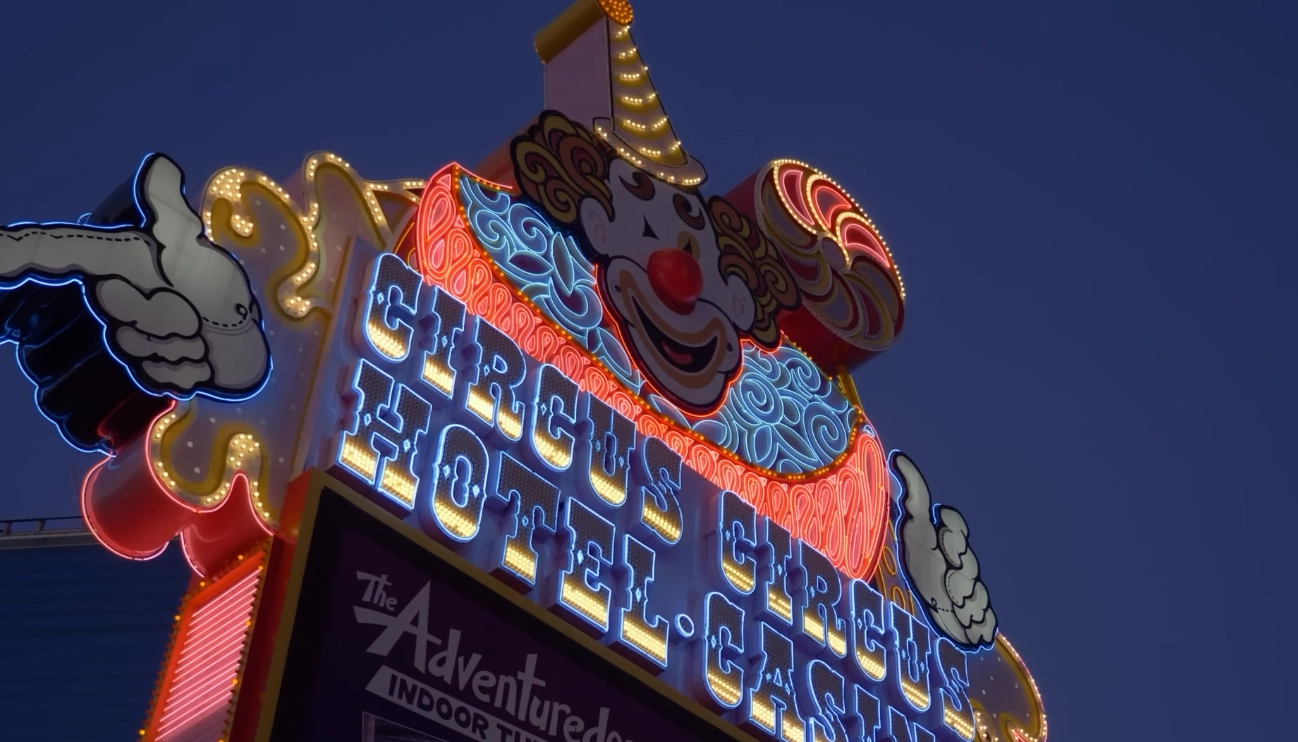
In the neon-drenched hierarchy of Las Vegas, where billion-dollar fountains dance for the elite and celebrity chefs curate menus for the refined, there sits an outcast. It smells of cigarette smoke, old carpet, and carnival grease. It is the punchline of every local joke, a relic trapped in the amber of the 1970s, manned by a mascot that looks like he hasn’t been scrubbed since the Reagan administration.
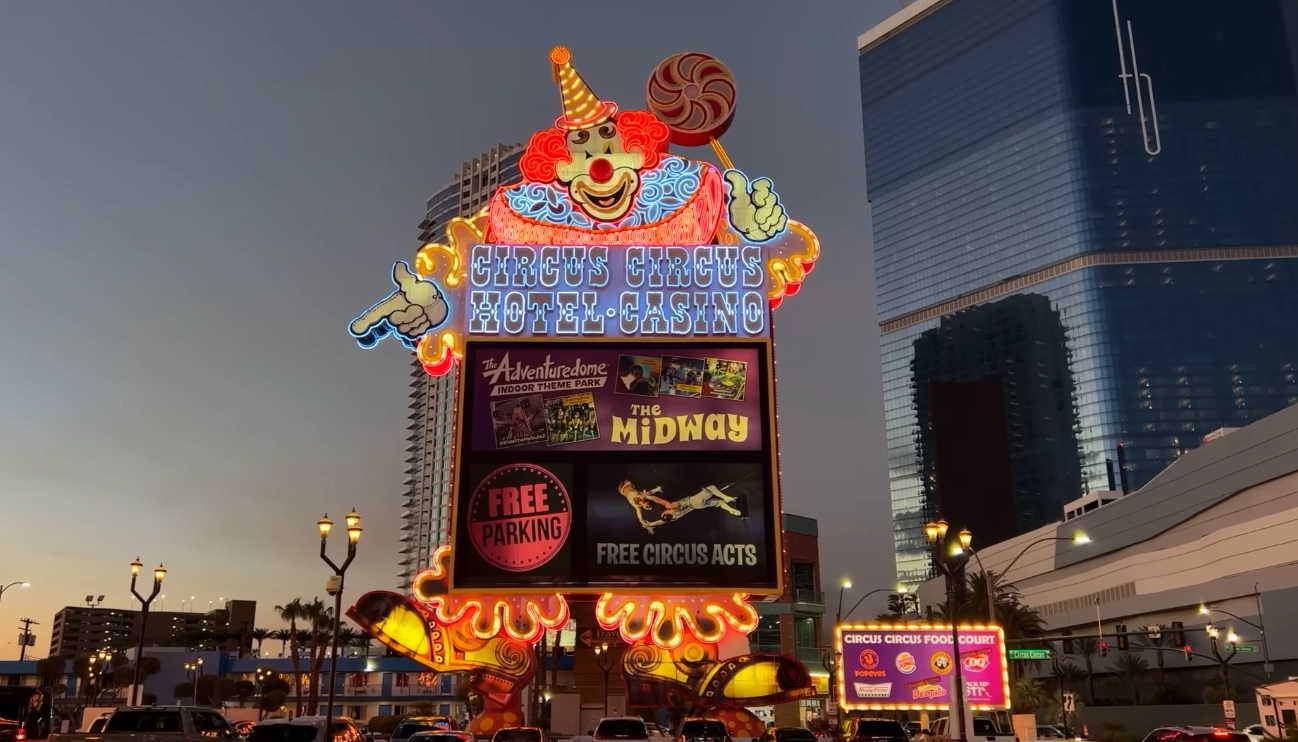
It is Circus Circus. And it is arguably the smartest business on the Las Vegas Strip.
To the uninitiated, the aging resort is a fever dream of neon clowns and pink glass, a place most tourists swear they’ll never book again—until the prices drop. But beneath the peeling paint and the aesthetic that time forgot lies a truth that the shimmering towers of the Bellagio and the Fontainebleau refuse to acknowledge: not everyone is a whale.
The Forgotten Masses
While modern Vegas chases the high rollers and the influencers willing to drop $500 a night for a room they saw on TikTok, Circus Circus has quietly doubled down on the one demographic the rest of the city has abandoned: the middle class.
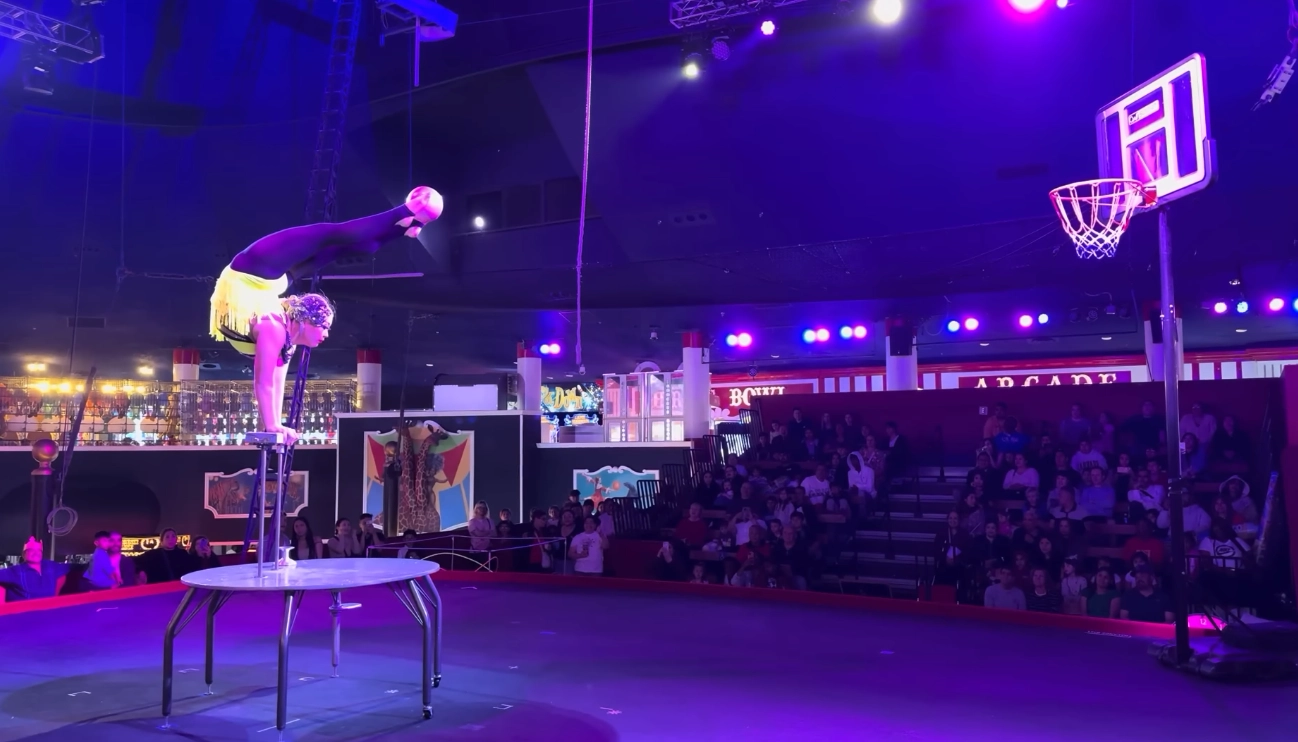
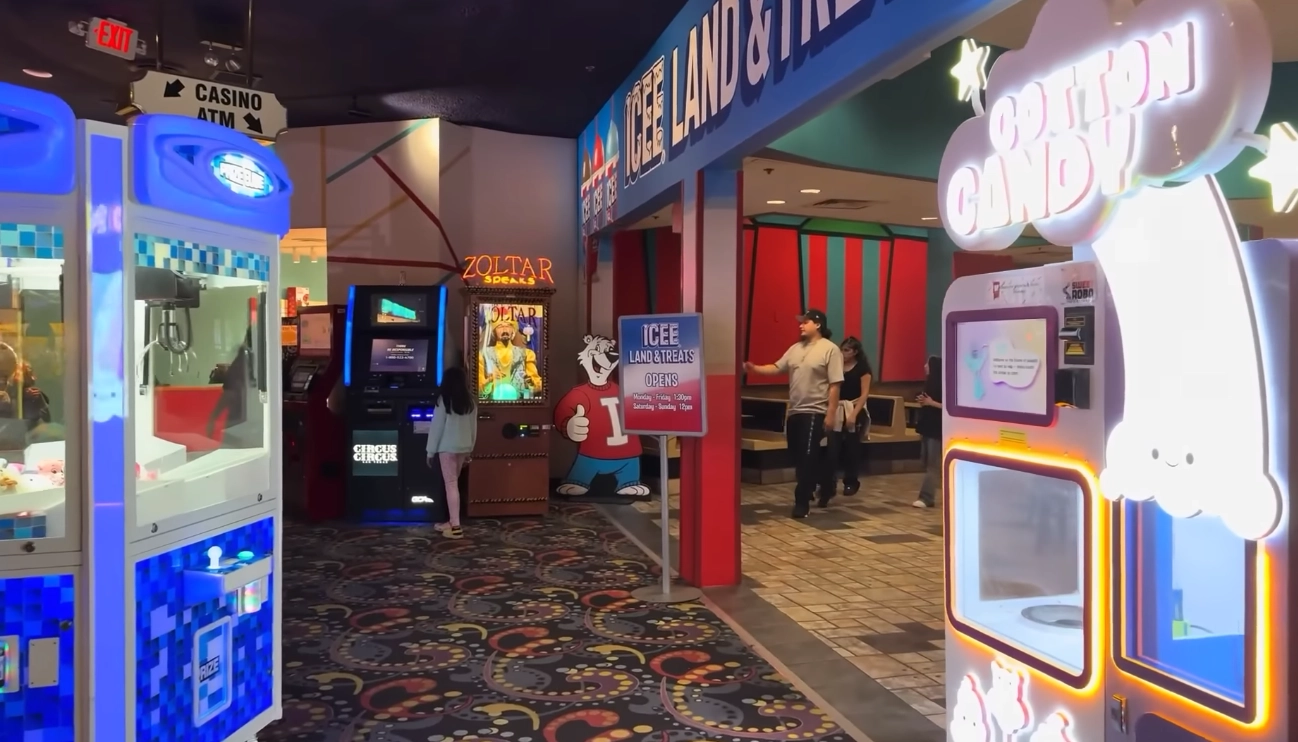
The strategy is deceptively simple and ruthlessly effective. It is a game of high volume and low cost. The resort doesn’t need a VIP betting six figures in a private salon; it thrives on thousands of everyday families losing twenty dollars at a time, all day long. It is a machine fed by funnel cakes, arcade tokens, and penny slots. In a city that increasingly treats the budget traveler like an inconvenience, Circus Circus welcomes them with open arms and rooms under $50.
The Pink Dome Powerhouse
The heart of this operation isn’t the gaming floor; it’s the Adventuredome. Underneath five acres of pink glass lies Las Vegas’s only major indoor amusement park, a chaotic, joyful sanctuary that looks like a "giant childhood fever dream."
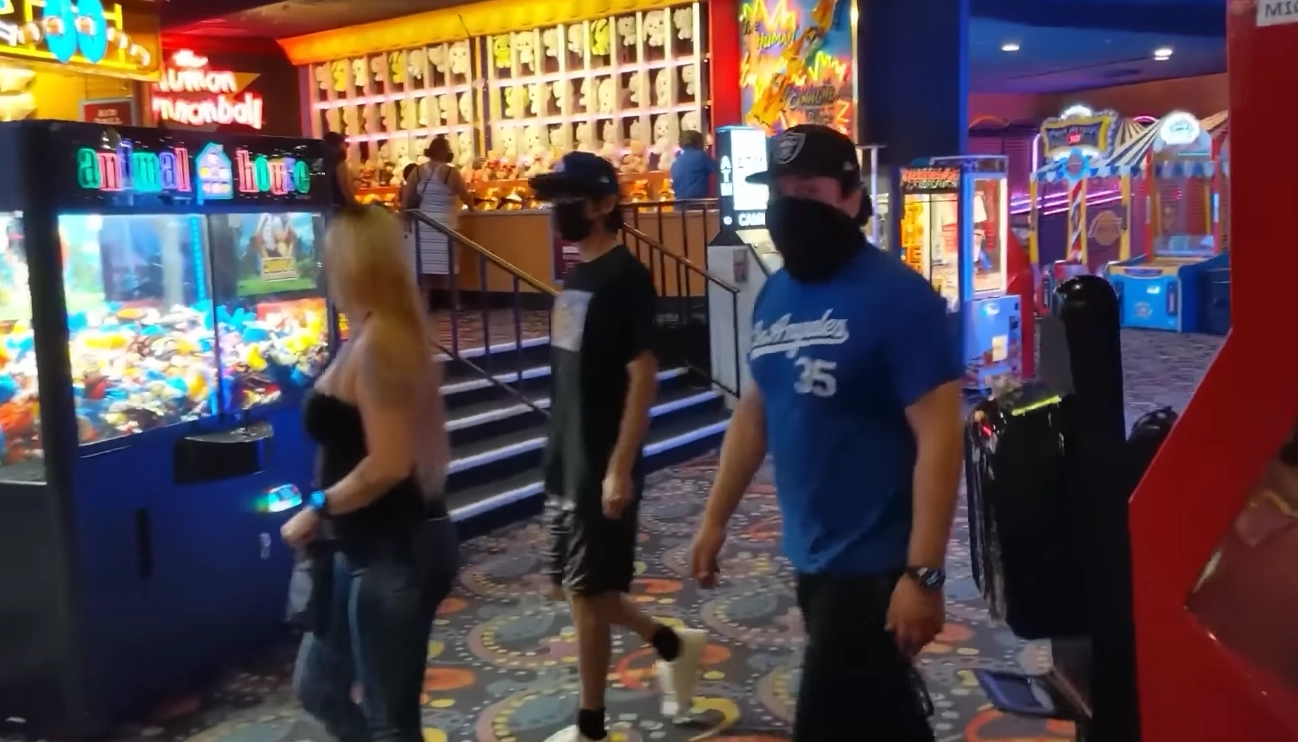
On Tuesday afternoons when the sterile gaming floors of luxury resorts sit silent and half-empty, the Adventuredome is roaring with life. It is packed with kids, parents, and international tourists from South America and Europe who still see Vegas as a family destination. They don't care about Michelin stars. They want to ride a coaster and stretch their vacation dollar.
The Ruffin Revolution
The genius behind this survival act is billionaire Phil Ruffin, who bought the property from MGM in 2019 for $825 million. Critics scoffed, but Ruffin wasn’t trying to build the next Wynn. He knew exactly what he was buying: a cash cow with dirt-cheap operating costs.
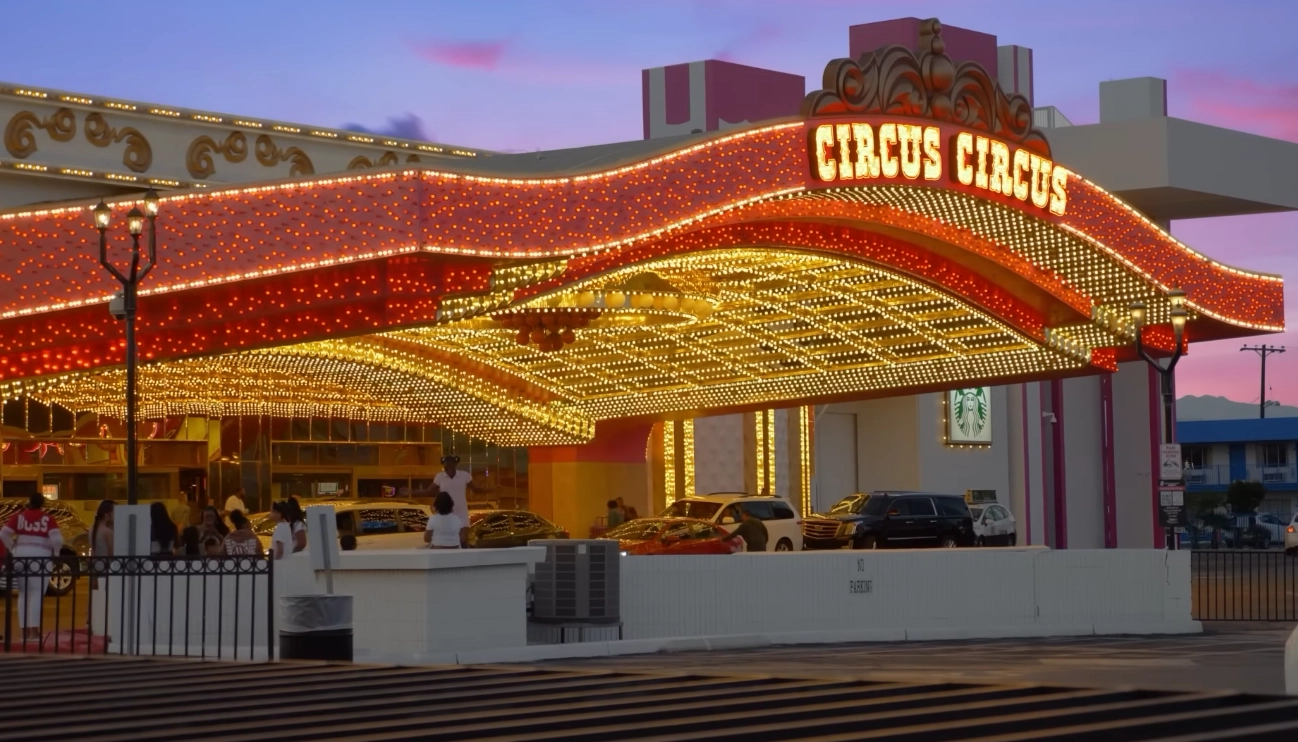
There are no high-maintenance fountains costing $12 million a year to run. There are no luxury brand leases to manage. Ruffin replaced dreams of gourmet dining with a Steak 'n Shake and a food court. He understands that while the Bellagio sells prestige, Circus Circus sells honesty.
The Last Honest Casino
Perhaps the greatest irony is how the gentrification of the North Strip has only made the clown stronger. When the gleaming Resorts World and Fontainebleau opened nearby, skeptics predicted the end of the budget circus. Instead, the opposite happened. The new neighbors brought foot traffic, and when those visitors realized they couldn’t afford a $25 basket of fries, they walked right across the street to the place that wouldn't rob them.
Circus Circus sits on some of the most valuable land left on the Strip. Developers watch it like hawks, waiting for the day it will be detonated to make way for the next mega-resort. But for now, Phil Ruffin is content to wait, letting the land value climb while his "outdated" casino prints money.
So go ahead and crack the jokes. Laugh at the decor that predates the internet. Circus Circus doesn't mind. In a town built on overpriced illusions and hollow luxury, the clown is the only one telling the truth. And as long as it keeps laughing all the way to the bank, the joke is strictly on us.

Comments