
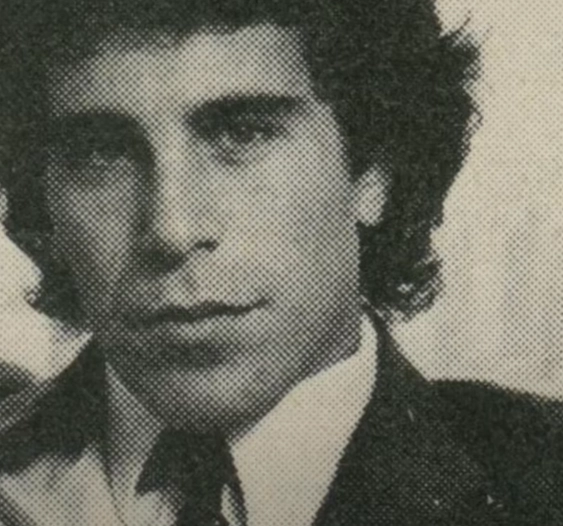
For decades, the central mystery surrounding Jeffrey Epstein wasn’t just the depravity of his crimes, but the source of the immense wealth that facilitated them. The prevailing narrative—cultivated by Epstein himself—was that he was a renegade financial genius, a "financial doctor" for billionaires who defied conventional market wisdom to generate massive returns. However, a scathing new analysis of recently released documents and forensic reporting suggests this narrative was a lie. Epstein was not a market guru; he was a sophisticated grifter operating on Ponzi schematics.
The Ponzi Origins: Towers Financial and "Pump & Dumps"
According to investigative commentary on the recent DOJ document dump, Epstein’s career didn't begin with brilliant trades, but with calculated fraud. The analysis points to his early, deep involvement with Towers Financial, a company that collapsed in one of the largest Ponzi schemes in American history, amounting to over $450 million. While his partner Steven Hoffenberg went to prison, Epstein walked away unscathed, taking the dark arts of financial sleight-of-hand with him.
The video evidence further recounts how Epstein burned close friends in early "pump and dump" stock schemes. In one specific instance involving a chemical company called Pennwalt, Epstein allegedly convinced friends to invest, executed the scheme, and then refused to return their capital even when confronted. This pattern of looting associates to fund his own liquidity established the blueprint for his future "success."
The Wexner Piggy Bank: The Real Source of Wealth
The true engine of Epstein’s illusion—and his subsequent power—was his parasitic relationship with retail billionaire Les Wexner (founder of L Brands/Victoria’s Secret). The video argues against the idea that Epstein simply "managed" Wexner's money for a fee. Instead, the evidence suggests Epstein gained power of attorney and treated Wexner’s fortune as his own personal slush fund.
Epstein allegedly misappropriated vast sums of Wexner’s capital to purchase the hallmarks of his billionaire lifestyle:
The private jets used to traffic victims.
The massive Manhattan mansion.
The private island infrastructure.
This wasn't wealth created by the market; it was wealth extracted from a single, ultra-wealthy client.
Buying "The Deal of a Lifetime"
The most cynical application of this stolen wealth was the purchase of legal immunity. The analysis highlights a critical, under-reported transaction where Epstein used Wexner’s money to bail out a hedge fund that superstar attorney Alan Dershowitz had invested in.
This was not investment advice; it was a "favor" bought with misappropriated funds to secure loyalty. Years later, when Epstein faced federal sex crimes charges in 2008, Dershowitz provided the aggressive legal defense that secured the infamous "sweetheart deal." In essence, Epstein used money looted from one billionaire to buy the legal "insurance policy" that kept him out of prison for a decade.
The Verdict: The picture that emerges from the files is not one of a financial savant, but of a master manipulator who ran a "blackmail hedge fund." He didn't beat the market; he exploited the players, using stolen wealth to construct an impenetrable shield of influence.


Comments