
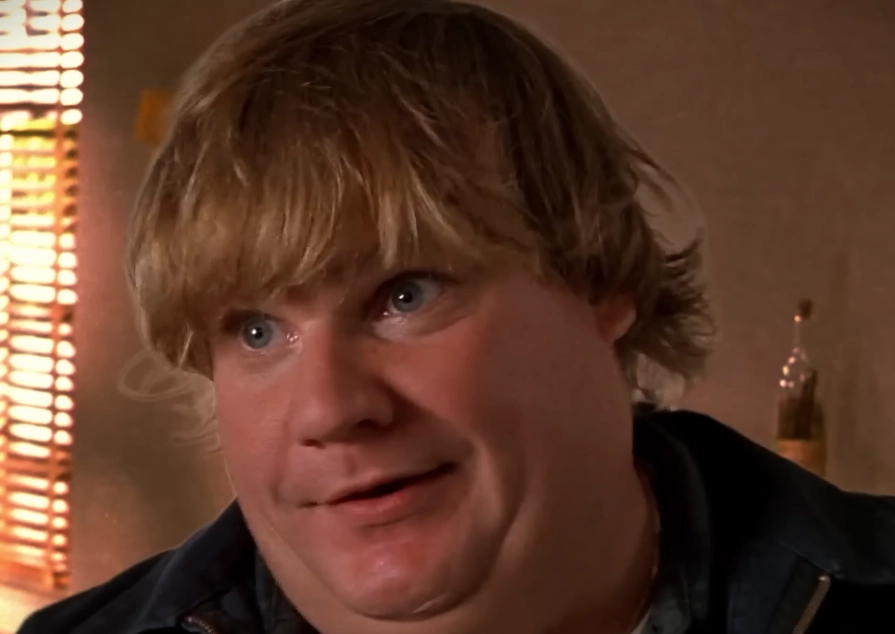
In the hazy nostalgia of 1995, a cinematic "what if" of titanic proportions was born, only to vanish into the archives for nearly three decades. We all know The Cable Guy as the darkly comedic, slightly menacing vehicle for Jim Carrey. But before the $20 million paycheck and the darker tone, there existed a different vision—a "silly buddy comedy" written specifically for the irrepressible energy of Chris Farley. Thanks to a recently resurfaced script, we can finally pull back the curtain on the movie that almost was [00:37].
A Star-Crossed Production
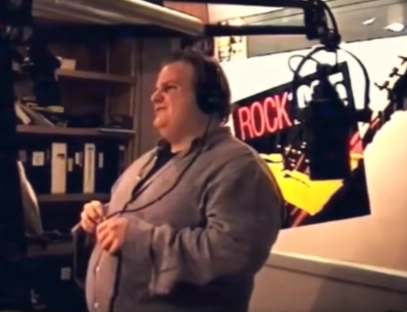
The story begins in the wake of Tommy Boy’s success. Chris Farley’s management brought the original Cable Guy screenplay, written by Lou Holtz Jr., to Columbia Pictures. The studio bit, purchasing it with the sole intention of casting Farley in the titular role [01:21]. However, Hollywood politics intervened; Paramount Pictures, holding a prior commitment from Farley, barred him from working with another studio until he completed his obligations, forcing him into Black Sheep instead [01:26].
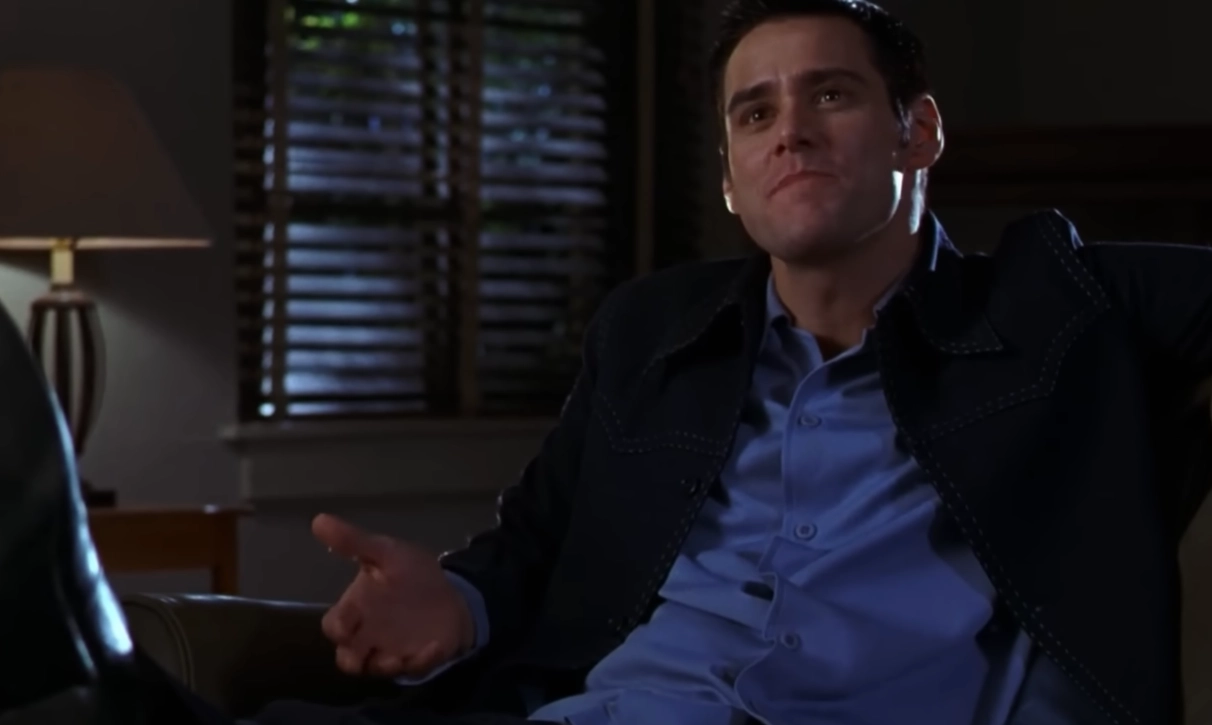
Into this void stepped Jim Carrey, who brought along his friend Judd Apatow to rewrite the script. Carrey, fearing his audience would tire of "silly one-dimensional characters" after two Ace Ventura films, specifically requested a "bleaker" tone—a comedic send-up of thrillers like Cape Fear and The Hand That Rocks the Cradle [09:45]. The original vision was ousted, and the Farley version was lost to time—until now.
Enter Craig Swank
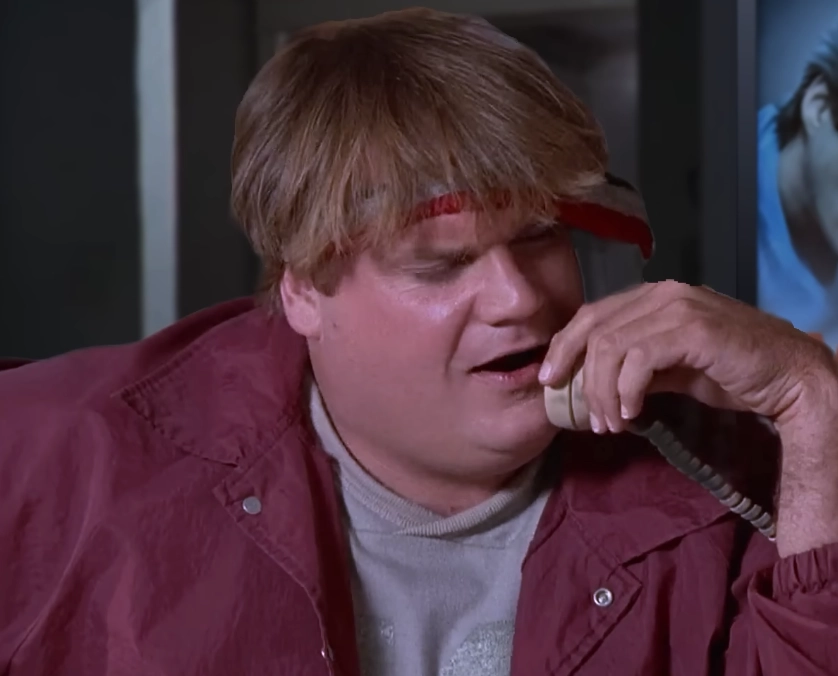
In Farley’s version, the Cable Guy is not the mysterious, lisping "Chip Douglas." He is Craig Swank, a man whose name is as real as his delusions are grand [09:21]. Unlike Carrey’s "loose cannon" ready to explode, Farley’s character was described as "not quite as dark, more butt crack showing and pathetic" [02:08].
He is an abrasive, arrogant personality who cannot hold a conversation without dropping pop culture references, described in the video as "Mentos and Diet Coke in human form" [03:46]. He doesn't just install cable; he barrels into apartments, insulting the homeowner's "boring f***ing doorbell" and offering to rig it to play the theme from The Godfather [04:04].
The Wisconsin Connection
The script’s protagonist also undergoes a shift. Instead of Steven Kovac, the architect, we meet Paul Richards, a University of Wisconsin-Madison graduate slumming it in a publishing company mailroom [02:37]. This detail would have been a nod to Farley’s own roots, playing perfectly to his "cheesehead" persona.
The dynamic between Paul and Craig is classic comedy friction. Craig doesn't just want to be Paul’s cable provider; he forcefully inserts himself into Paul’s life. In a scene that mirrors the final film, Craig breaks into Paul’s apartment—not to menace him, but because he "moonlights as a locksmith" and decided to finish the installation uninvited [07:32].
A Lighter Shade of Stalking
While the final film dives into legitimate psychological horror, the Farley script maintains a lighter, snarkier touch. Craig Swank’s methods of "friendship" involve bribery rather than terror. He secures Paul a promotion and sends love letters to his ex-girlfriend, Robin, to win her back [13:03].
The script is peppered with distinct "Farley-isms." He lives in an apartment adorned with a massive American Gigolo poster and an autographed photo of Hugh Hefner signed, "Craig, nice meeting you, but next time don't use all my chocolate sauce" [11:03]. His sidekick is a giant St. Bernard named "Heft," named after the Playboy mogul [10:47].
The Twist Ending
Perhaps the most significant departure is the finale. There is no satellite dish fight to the death. Instead, the story leaps three months forward. Paul, now free of Craig, stumbles upon a community college class titled "Introduction to Cinema." The instructor? Frederrico C. Swank [15:28].
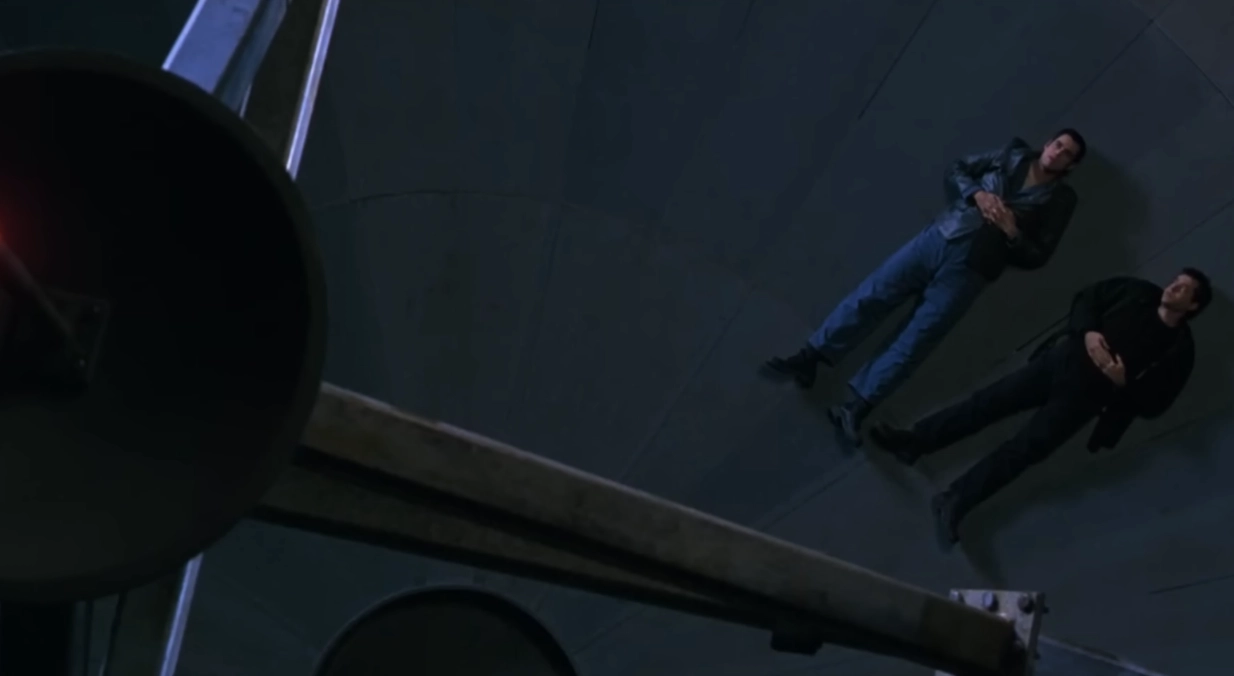
Craig has faked his credentials to become a film professor, lecturing students on the "true purpose of film" in a hall meant for hundreds. It reveals Craig’s true dream: he never wanted to be a cable guy; he wanted to be the next Francis Ford Coppola [15:55]. The movie ends on a heartwarming note, with Paul inviting Craig to dinner, rekindling their friendship on healthier terms as Craig pitches a horror movie starring his dog [16:15].
The Verdict
Reading through the script, it becomes clear that this was a solid, cohesive screenplay, perhaps even more structured than the final version [16:31]. It leaned into Farley’s "snarky side," a trait beloved by fans of Tommy Boy [16:56]. While the dark comedy of the Carrey version has its cult following, one cannot help but mourn the loss of this "silly buddy comedy." It remains a fascinating artifact—a testament to the comedic genius of Chris Farley and the movie that slipped through his fingers.


Comments