
It began on a quiet evening in early 2001. You were fishing by the riverbank, the repetitive click-splash of the net lulling you into a rhythm. Then, without warning, the world shifted. A strange, spectral figure materialized from the ether. He didn't want your fish. He wanted to know if you were human.
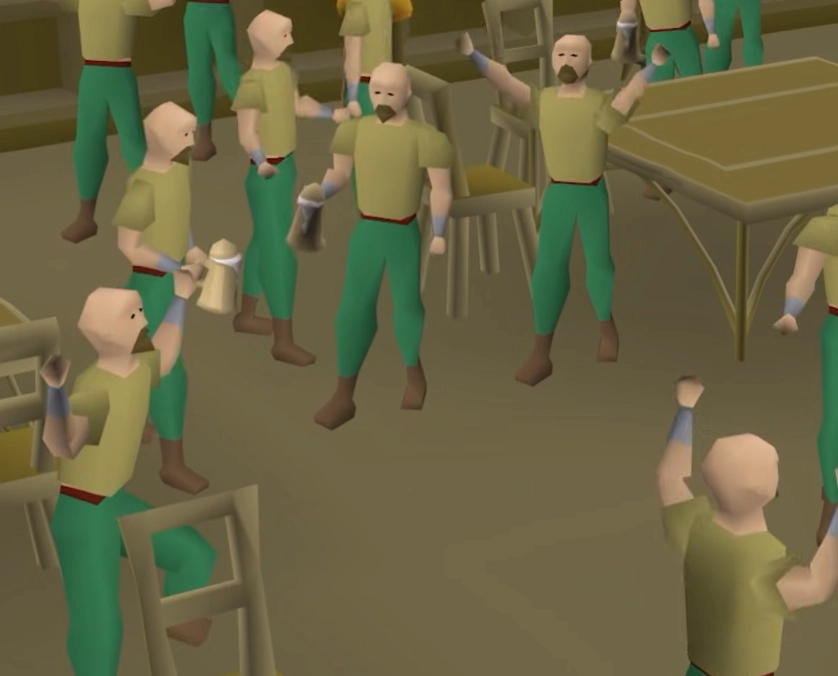
For millions of players, this was just a quirky interruption—a "Random Event." But beneath the whimsical surface of Genies, Sandwich Ladies, and exploding rocks lay a desperate, high-stakes battleground. This wasn't just game design; it was war. A digital arms race between three guys in a Cambridge office and a shadow army of cheaters who would stop at nothing to automate their way to glory.
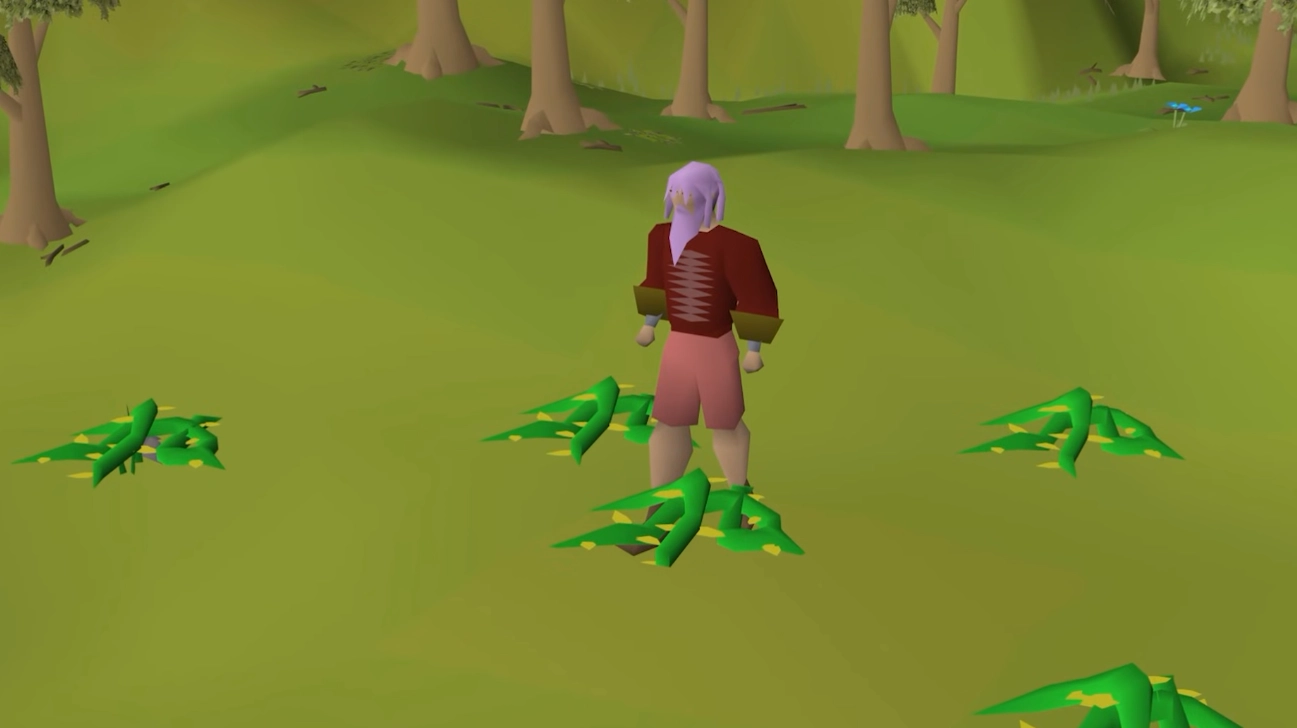
This is the untold story of RuneScape’s greatest defense system, and how the bots eventually won.
The Sleepwalker Conspiracy
To understand the chaos, you have to understand the silence. In the beginning, cheating was crude. "Coordinate bots" mindlessly clicked the same pixel until the camera rotated—a subtle sabotage by creator Andrew Gower—and broke them. But the cheaters evolved. They began injecting code directly into the game’s veins.
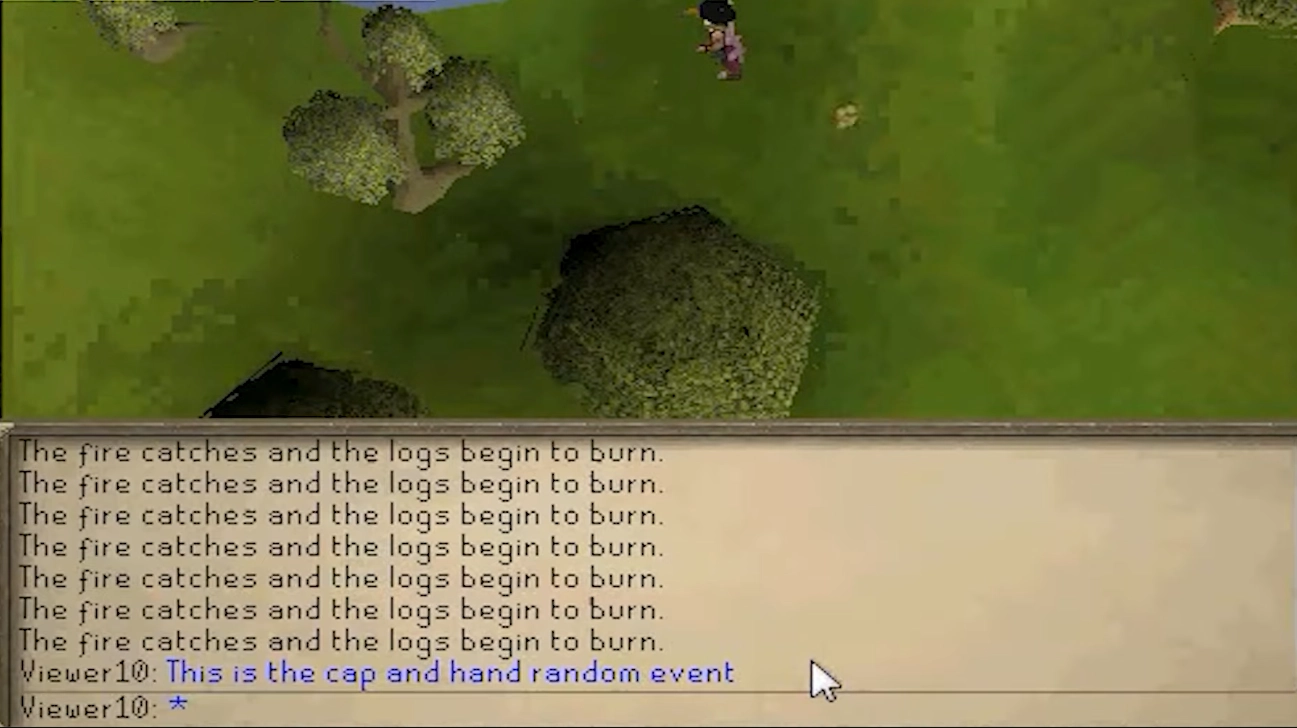
Jagex, the creators of RuneScape, retaliated with "Fatigue." Suddenly, your character needed sleep. To wake up, you had to solve a CAPTCHA. It seemed foolproof. How could a script read jumbled text?
The answer was human ingenuity at its most devious. Bot developers didn't teach computers to read; they crowdsourced it. They built "Sleepwalker," a program where real people solved CAPTCHAs for points, unwittingly fueling the bots of others. It was a factory line of cheating, breaking the system before it even truly began. Fatigue was scrapped, leaving Jagex with a question: If we can't stop the bots with code, can we stop them with chaos?
Enter the Sandwich Lady
On February 2, 2004, the war turned weird. Jagex unleashed the Random Events.
These weren't just security checks; they were character tests disguised as hallucinations. A "Mysterious Old Man" might teleport you to a maze. A "Dr. Jekyll" might demand herbs before transforming into a murderous Mr. Hyde. The iconic Sandwich Lady—modeled after a real woman who sold lunch in the Jagex office building—would knock you unconscious with a baguette if you chose the wrong snack.
For a brief, shining moment, it worked. Bots, programmed for efficiency, couldn't handle the absurdity. They didn't know how to do jumping jacks for a Drill Demon or answer riddles for a Quiz Master. They broke, they died, and the players rejoiced.
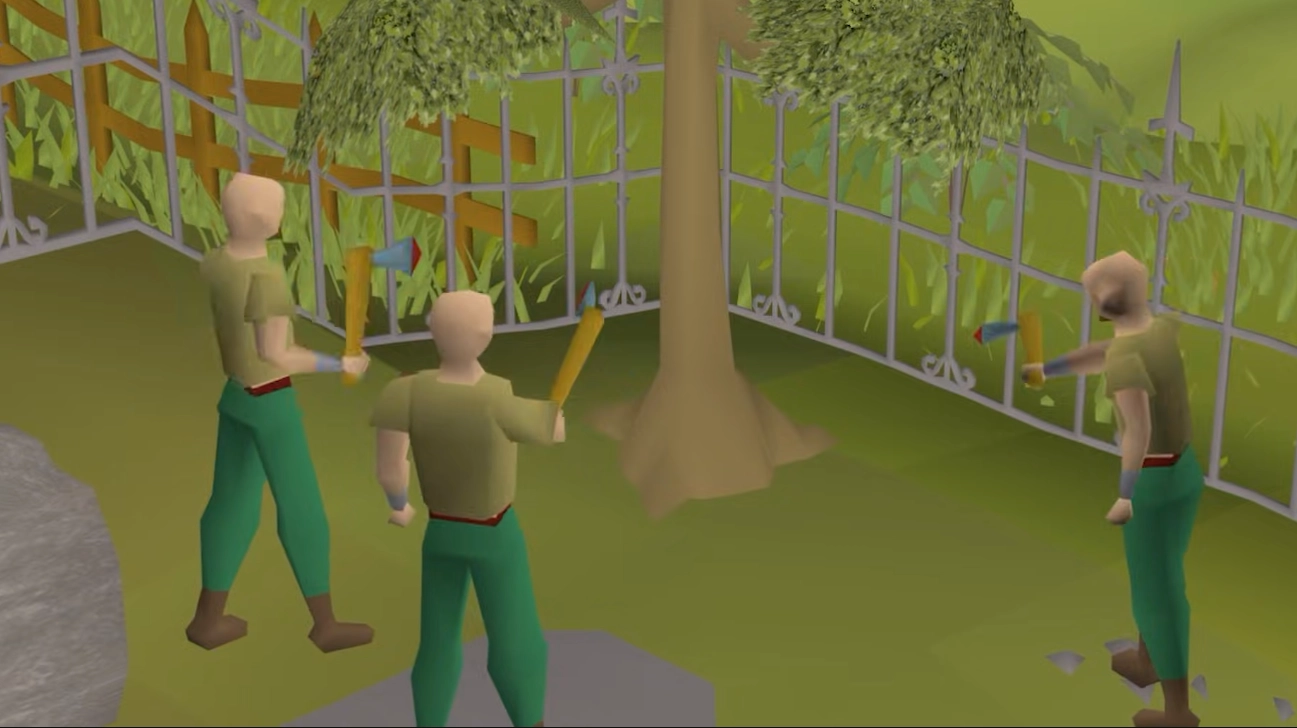
But Jagex got cocky. They introduced the "Tangle Vine," a random event so aggressive it deleted chunks of the map and massacred innocent players. It lasted three hours before a developer, fresh from the pub, had to drunkenly roll back the code in a late-night emergency. It was a sign of things to come: the "cure" was becoming as dangerous as the disease.
The Rise of Aryan
By 2005, the cheaters had weaponized. The "Color Bots"—scripts that scanned for specific pixels—were annoying, but manageable. Then came "Aryan."
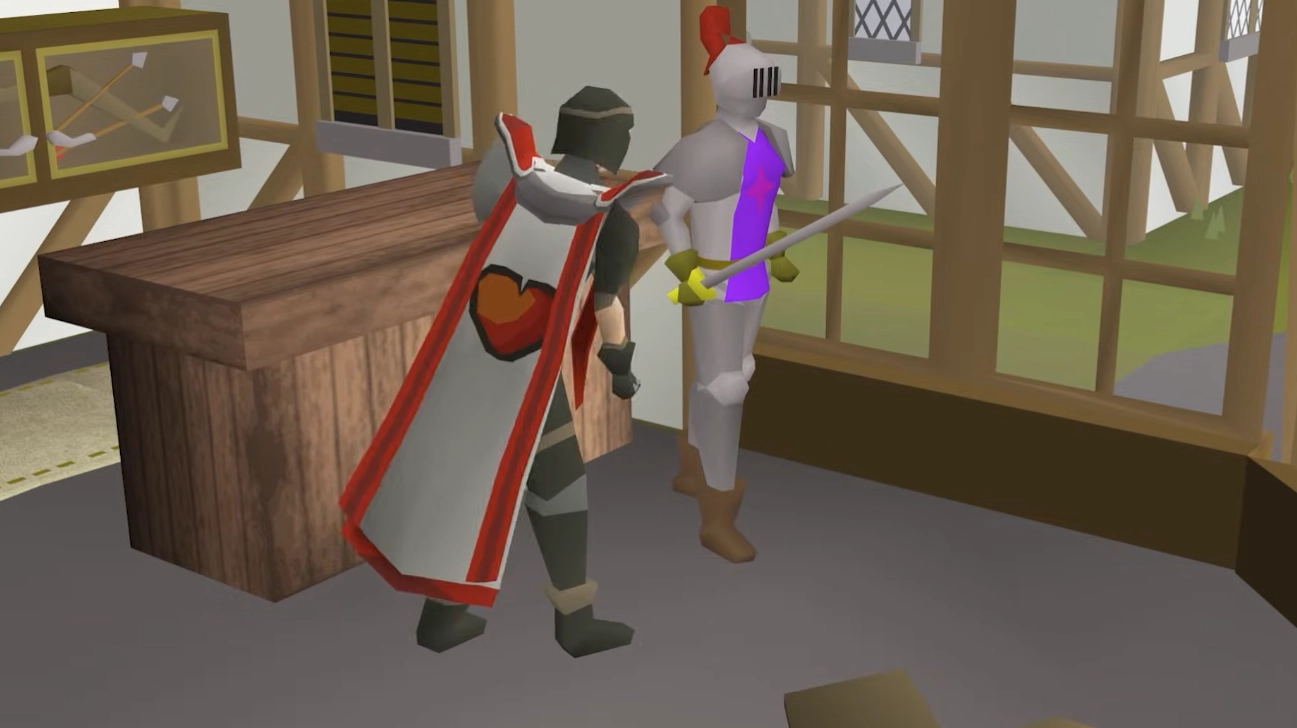
Named with unfortunate edginess (the devs claimed it meant "noble"), Aryan didn't just look at the screen; it surgically deconstructed the game client. It could read the code of the matrix. It didn't need to see a rock to mine it; it just told the server, "I am mining."
Aryan bots were unstoppable. They solved mazes. They ignored the Sandwich Lady. They swarmed the servers like locusts. Jagex was losing. The Random Events, once the guardians of the realm, were now just minor speed bumps for the machines and major headaches for real players trying to grind XP.
The Nuclear Option
The end of the Random Event era didn't come with a bang, but with a "Cluster Flutterer."
In 2011, Jagex initiated "Bot Nuke Day." Instead of throwing more Genies at the problem, they scrambled the game’s code so thoroughly that the botting software simply couldn't read it. It was the "Java Flutterer," a backend annihilation that wiped out 40% of the active player base overnight—revealing just how infested the game had become.
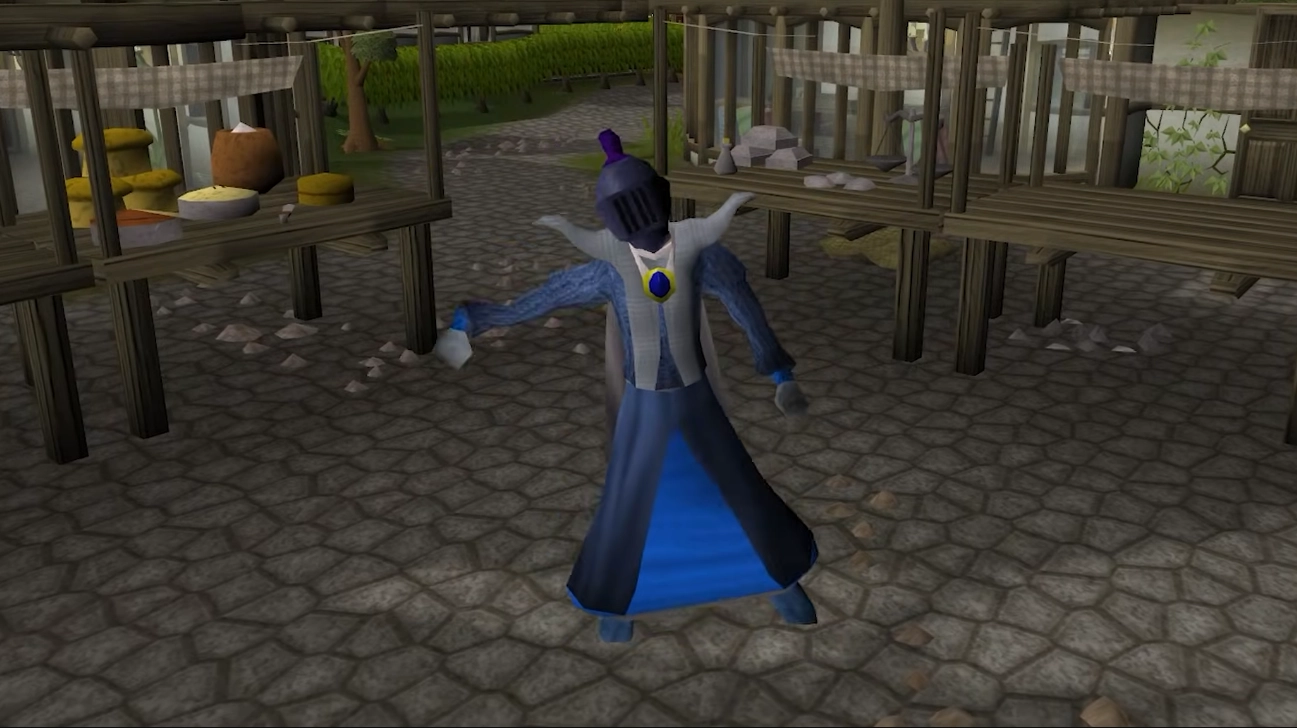
With the bots blinded, the Random Events lost their purpose. They were stripped of their teeth. The River Trolls stopped attacking; the exploding pickaxe heads were glued back on. The war was moved to the courtroom and the server code, leaving the whimsical NPCs as relics of a bygone age.
A Legacy of Whimsy
Today, in Old School RuneScape, the Random Events remain, but they are ghosts of their former selves. You can dismiss the Genie. You can ignore the Drunken Dwarf. They are no longer soldiers; they are mascots.
Yet, there is a profound nostalgia in their presence. They remind us of a time when the internet felt wilder, when a developer’s solution to hacking was to teleport you to a mime show. It was a time when the barrier between player and developer was thin, and the battle for the soul of the game was fought not with ban waves, but with baguettes.
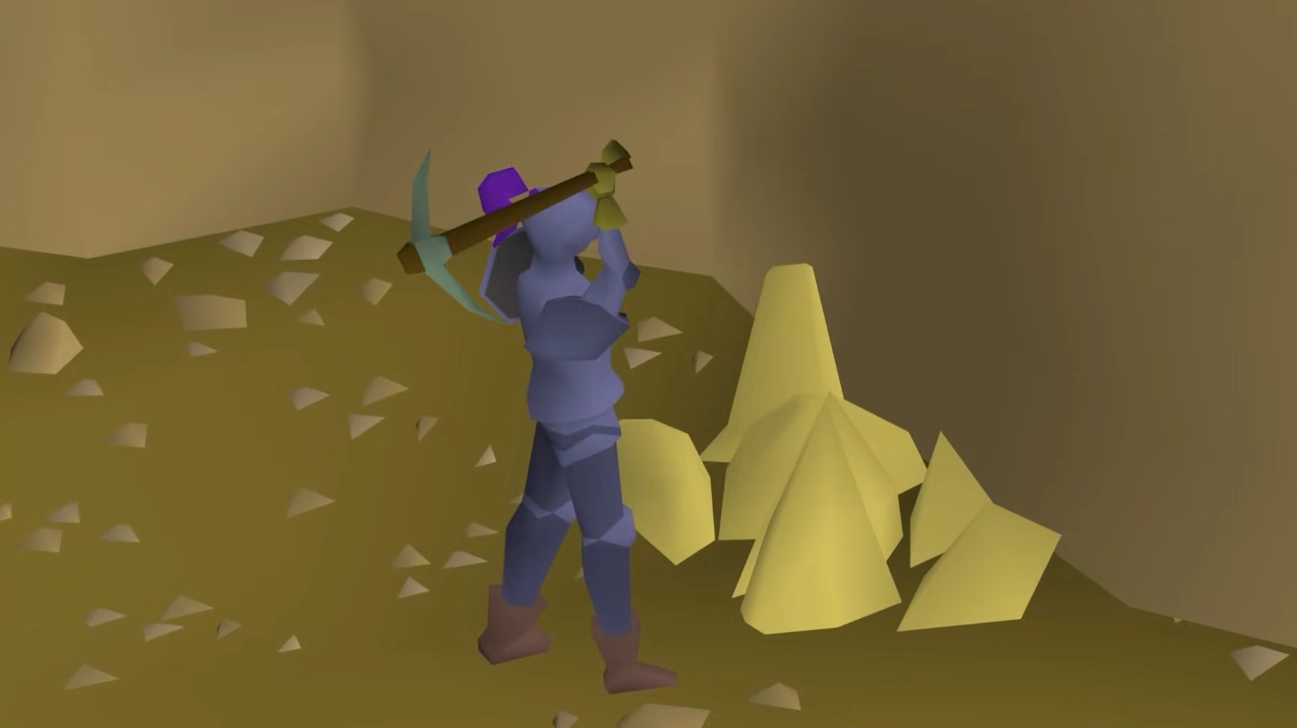
The bots may have forced the game to evolve, but they couldn't kill its spirit. The Sandwich Lady still wanders Gielinor, tray in hand, a digital monument to the time we tried to save the world by being just a little bit random.
Source: Based on the documentary "How Cheaters Defeated RuneScape’s Best Bot Detection" by Colonello.

Comments