
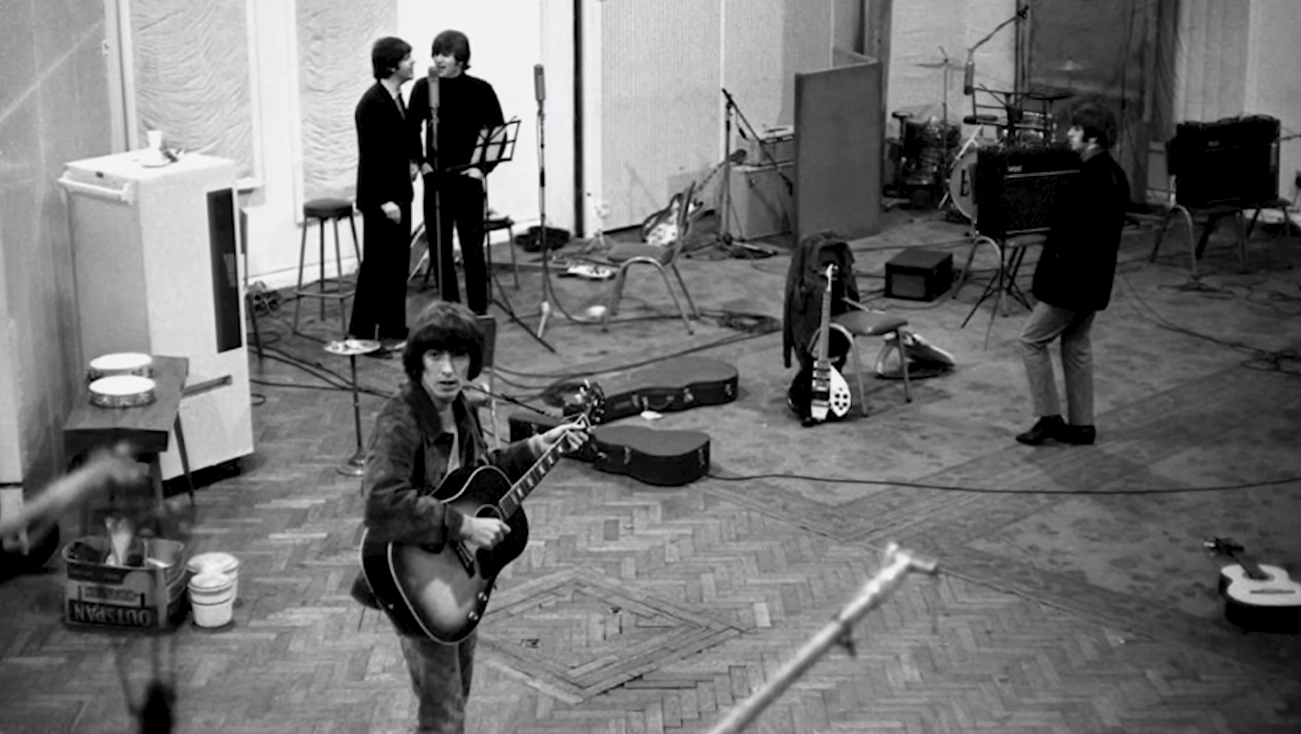
It was December 1965. The Beatles were exhausted, battered by the relentless winds of Beatlemania, yet they stood on the precipice of a new artistic era. They were done with the "yeah, yeah, yeahs." John was turning inward, Paul was refining his sophistication, and the influence of Bob Dylan and the Byrds was seeping into the studio air [00:51]. The result was Rubber Soul, an album that changed pop music forever. But for 60 years, fans have been listening to two completely different records under the same name [00:10].
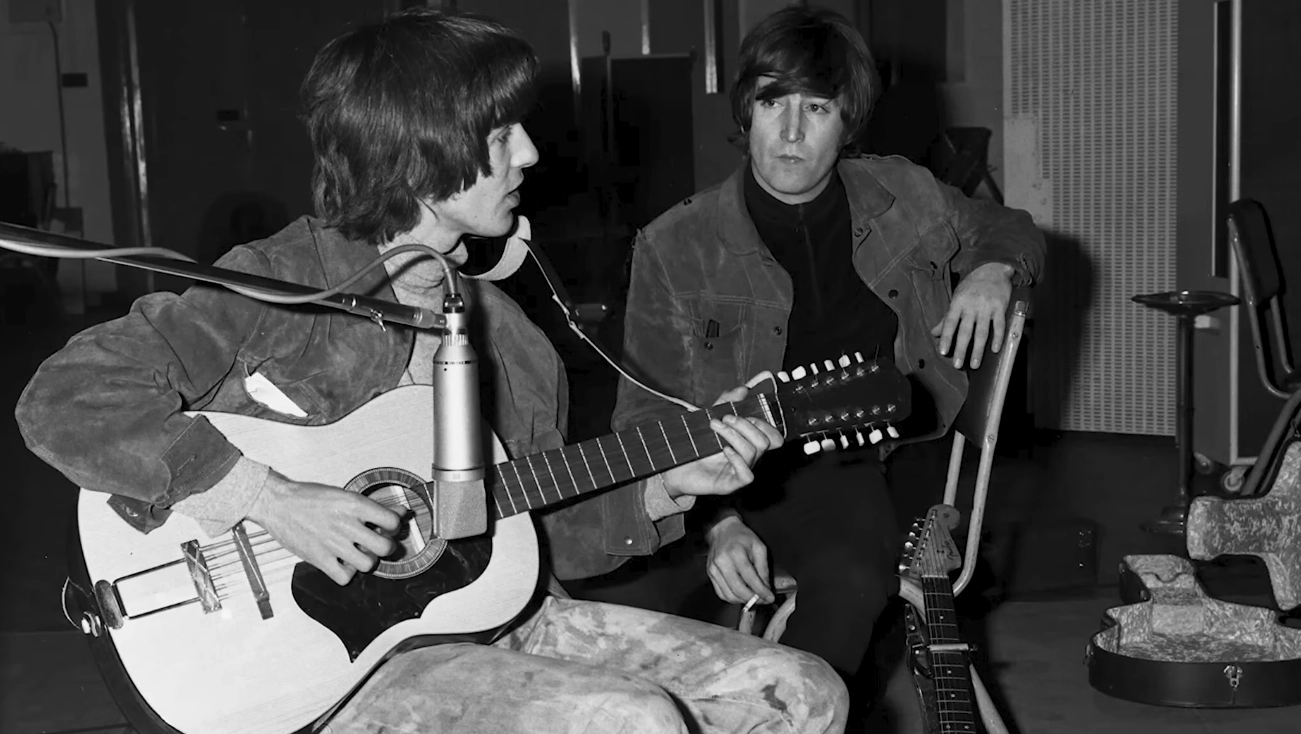
This isn't just a story about a tracklist; it is a tale of artistic intent versus corporate strategy, a trans-Atlantic split that redefined how the world heard the Fab Four.
The Architect of the Split
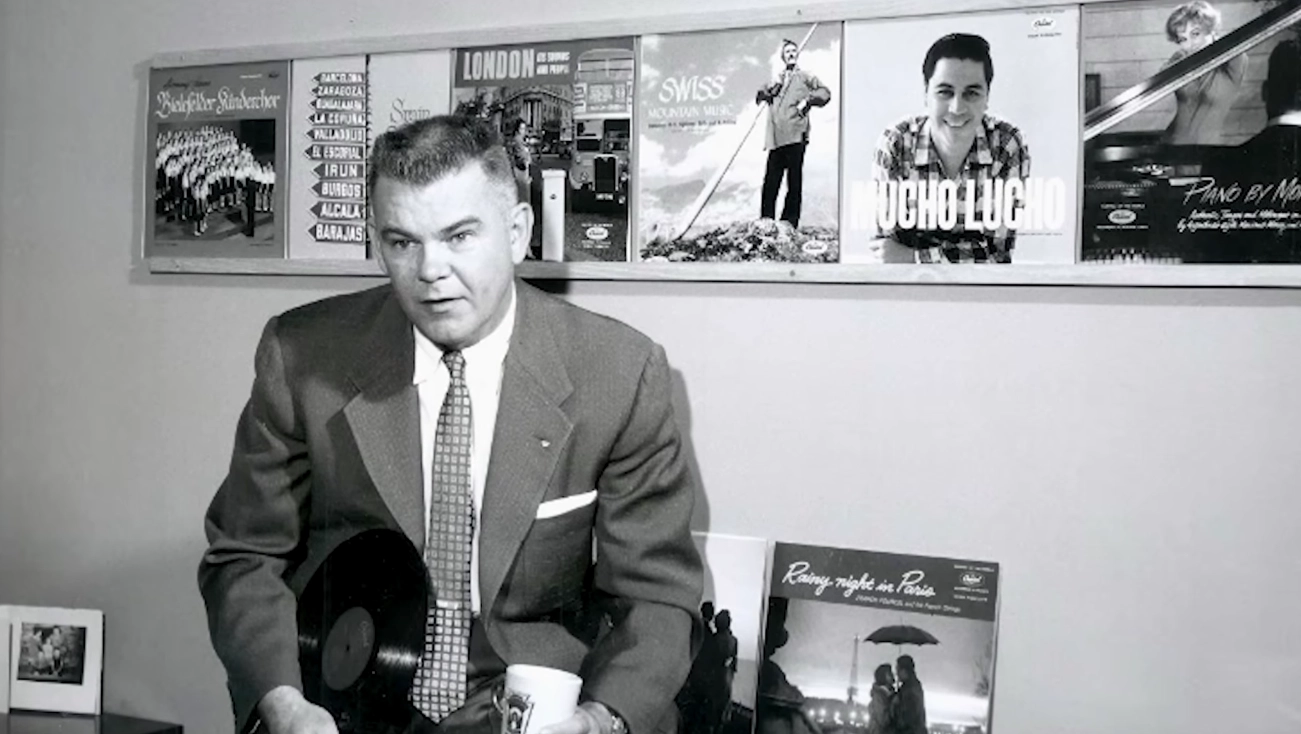
While the Beatles were crafting their 14-track magnum opus at Abbey Road, a different vision was being assembled in Hollywood. Dave Dexter Jr., the head of A&R at Capitol Records, was a jazz man who famously loathed British pop [03:16]. Yet, he knew the American market. Capitol had a policy of limiting albums to 12 tracks to maximize profit, stripping songs away to save for future releases [02:10].
For the US release, Dexter performed major surgery. He cut the album's energetic opener, "Drive My Car," and replaced it with the acoustic, folk-tinged "I've Just Seen a Face" [05:04]. This single decision reshaped the emotional temperature of the entire record. Instead of starting with a punchy rock track, American listeners were greeted with a "wood grain" acoustic sound that aligned perfectly with the emerging folk-rock scene [11:02].
The Lost Philosophy
The most tragic casualty of the American edit was "Nowhere Man." In the UK, this track stood as a pillar of the album's newfound maturity—John Lennon moving into pure philosophy, singing about isolation and identity rather than love [06:20]. Dexter cut it entirely from the US release, stripping the album of a key introspective edge [06:52].
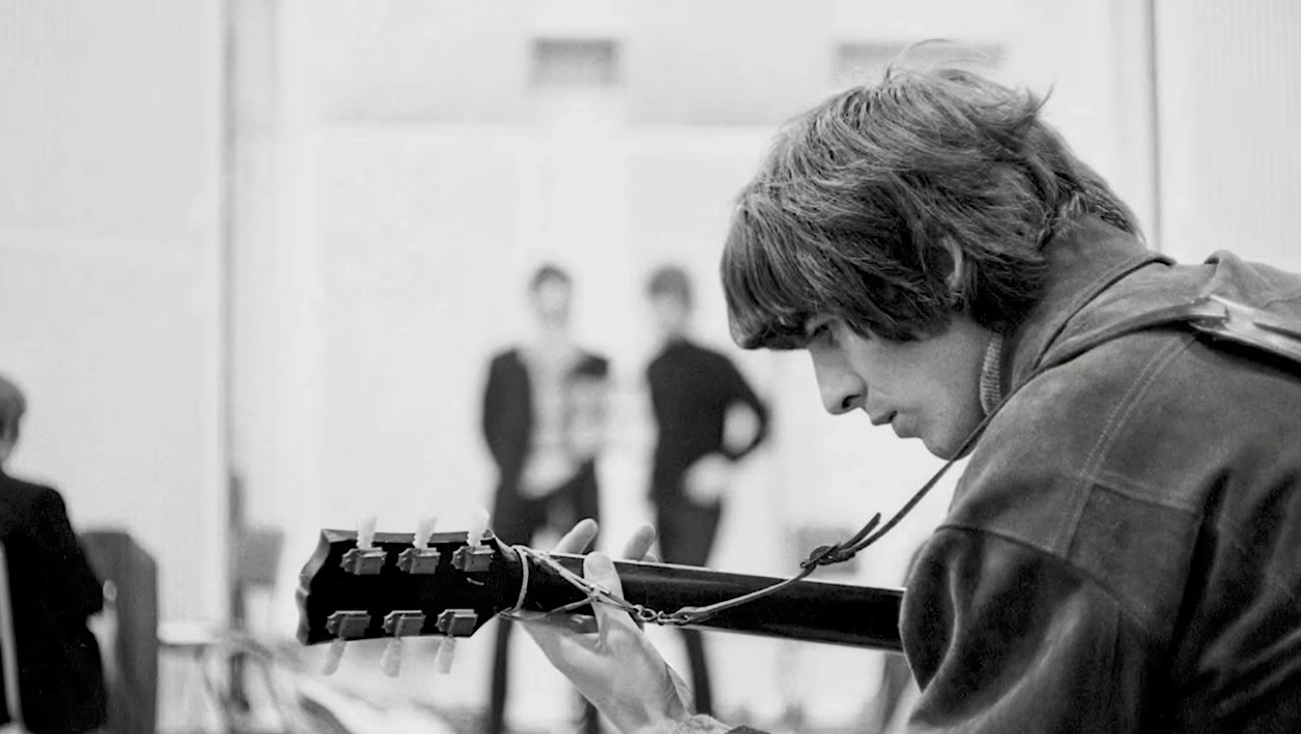
Similarly, George Harrison’s "If I Needed Someone," with its chiming Rickenbacker guitars, was removed, altering the balance of the album and hiding the band's forward momentum [12:43].
A Difference You Can Hear (and See)
The divergence wasn't just in the tracklist; it was in the very grooves of the vinyl. The US release of "The Word" cuts off abruptly before the fade completes, while the UK version fades naturally [07:53]. Perhaps the most jarring difference for British ears is on "I’m Looking Through You," where the US stereo version includes two false starts that were never heard on the UK release [11:17].
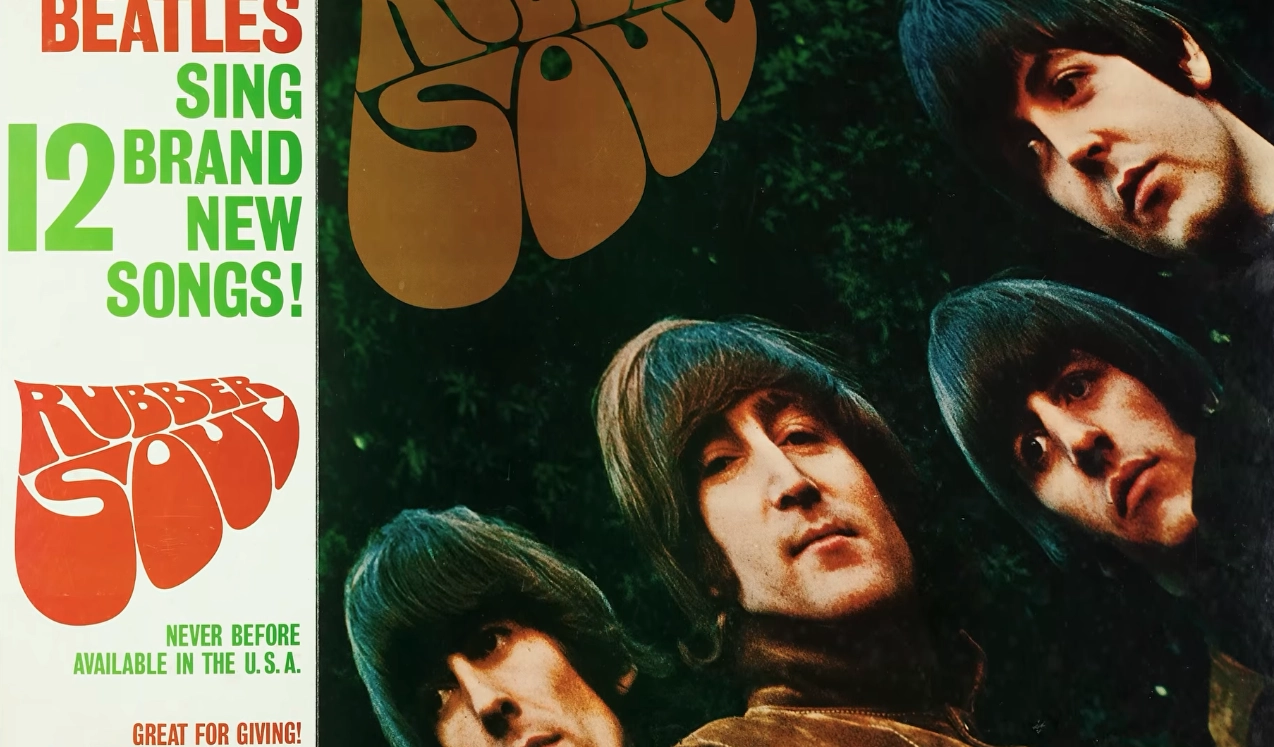
Even the iconic cover art by Robert Freeman tells a different story. The UK sleeve is rich, warm, and saturated, while the US version leans towards a brighter, olive-green tone, giving the band a slightly washed-out look [14:00].
Critical Confusion and Commercial Triumph
Despite the butchering, the US version was a commercial juggernaut, selling 1.2 million copies in just nine days [16:56]. However, the critical reception at the time was surprisingly mixed. Reviewers in 1965 didn't quite know what to make of this "new direction." One critic famously dismissed the album as disappointing, claiming it lacked the "old Beatles excitement" and even argued that "Run For Your Life" was the best track [17:46].
The Verdict
So, which is the real Rubber Soul? The UK version is undoubtedly the artist's intent—the cohesive statement the Beatles wanted to make. But the US version, with its accidental "folk-rock" sequencing, became the soundtrack for an entire generation of Americans [19:27].
As Andrew from Parlogram notes, "Rubber Soul isn't a competition. It's a crossroads." [19:11]. Both albums capture a band in rapid evolution, sprinting faster than the industry, the press, or even their fans could catch up.
Sources:
Video Source: Rubber Soul: UK vs US – What’s the REAL Album?
Channel: Parlogram


Comments