
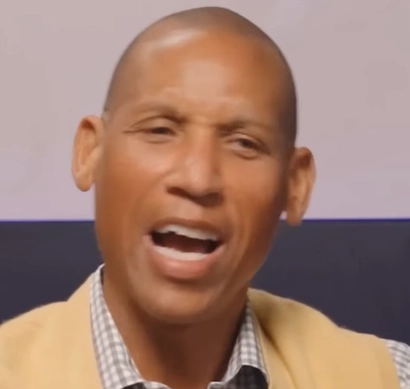
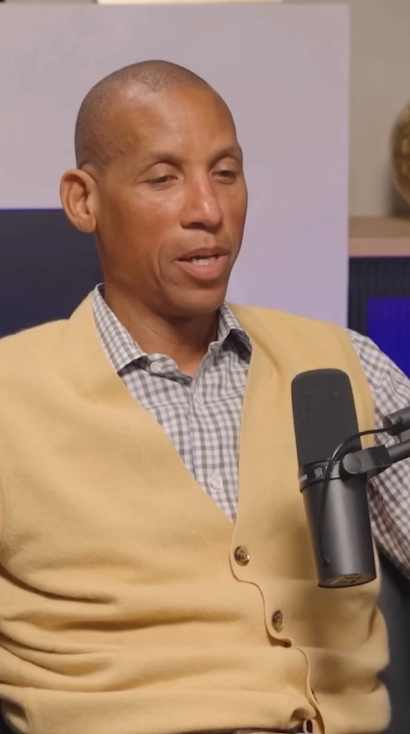
In the pantheon of basketball legends, there are moments that transcend the box score—moments where the torch isn’t passed, but rather used to singe the eyebrows of the up-and-coming. For Reggie Miller, a sharpshooter destined for his own Hall of Fame glory, that moment came not with a buzzer-beater, but at the charity stripe, standing toe-to-toe with the erratic, terrifying brilliance of Larry Bird.
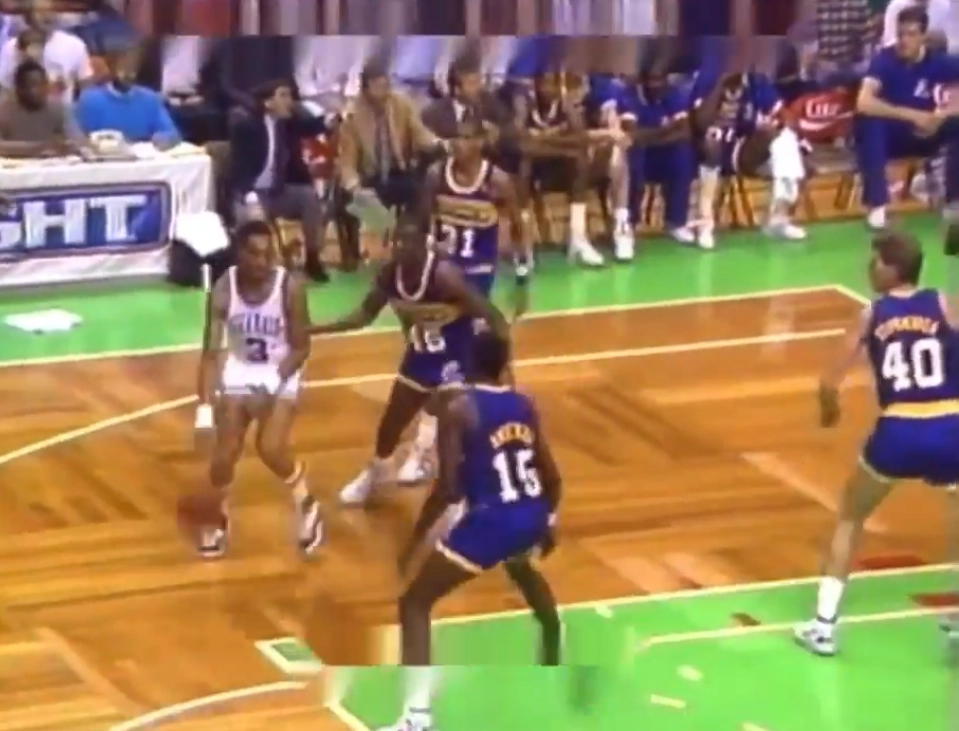
The setting was Market Square Arena. The atmosphere was electric, a close contest between the Indiana Pacers and the Boston Celtics [00:17]. For Miller, it was his third year in the league. The rookie jitters were gone, replaced by the intoxicating confidence of a young star who had just been handed the keys to the franchise. "It's my team now," he remembers thinking, feeling the surge of a newfound "superpower" coursing through his veins [00:11]. He was an All-Star, a force to be reckoned with. Or so he thought.
The game hung in the balance, but the Celtics held the edge. As Larry Bird stepped to the free-throw line to seal the deal, Miller saw an opportunity. Not just to win the game, but to disrupt the rhythm of a god. It was gamesmanship, pure and simple—a psychological ploy to rattle the unshakable [00:24].
As the official moved to hand Bird the ball, Miller made his move. He crossed the lane, a subtle interruption designed to "ice the shooter" [00:41]. He did it once. Then, emboldened by the silence, he did it again. It was a tactic born of hubris, a challenge issued from the prince to the king.
Bird didn't flinch. He didn't step back. He simply took the ball, dribbled once, and looked Miller dead in the eye. The words that followed were not trash talk; they were a statement of fact delivered with the cold precision of a dagger.
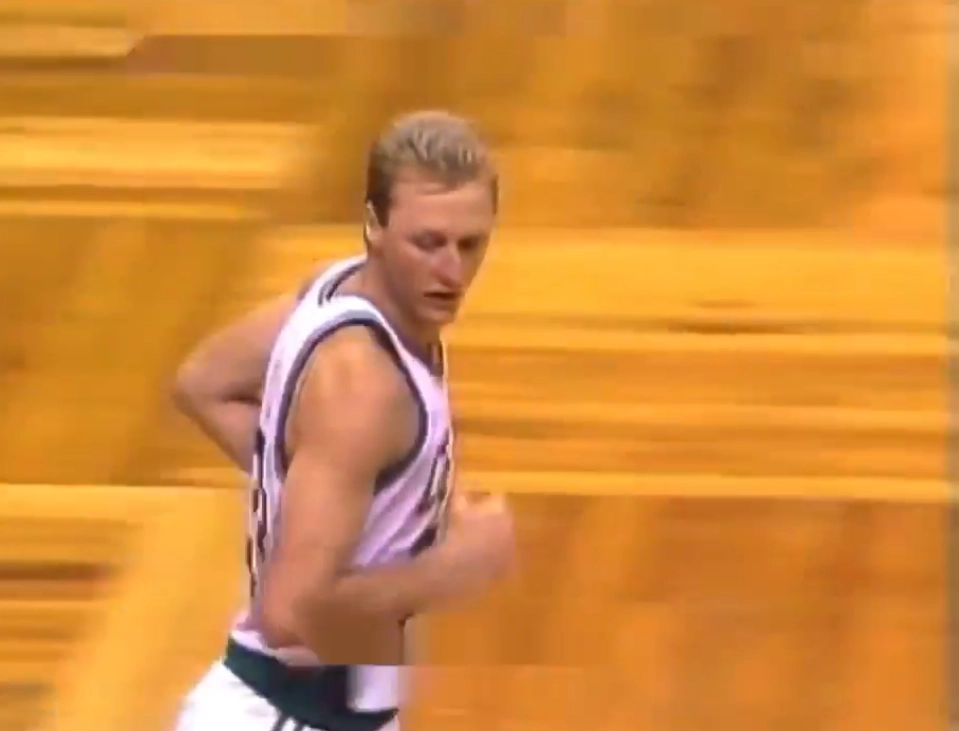
"Reggie, are you kidding me?" Bird asked, incredulous. "I'm the best shooter this game has ever seen. You think you going to be able to ice me?" [00:52].
The air left the building. In that split second, Miller wasn't the star of the Pacers; he was a student in a classroom he hadn't realized he was attending. And as Bird was still speaking, narrating his own greatness, he released the ball. Swish.
Miller, chastened, walked to the other side of the lane, only to find no quarter there either. Kevin McHale, Bird's lieutenant in domination, leaned in with a smirk. "Yeah, that was kind of stupid of you to do something like that, right?" [01:08].
"Oh shit," Miller realized. The horror wasn't just in the made basket. It was in the public dressing down. Bird wasn't just beating him; he was "outing" him in his own house, in front of his family, his friends, and the roaring crowd [01:14]. He was declaring his supremacy loud enough for the rafters to hear.
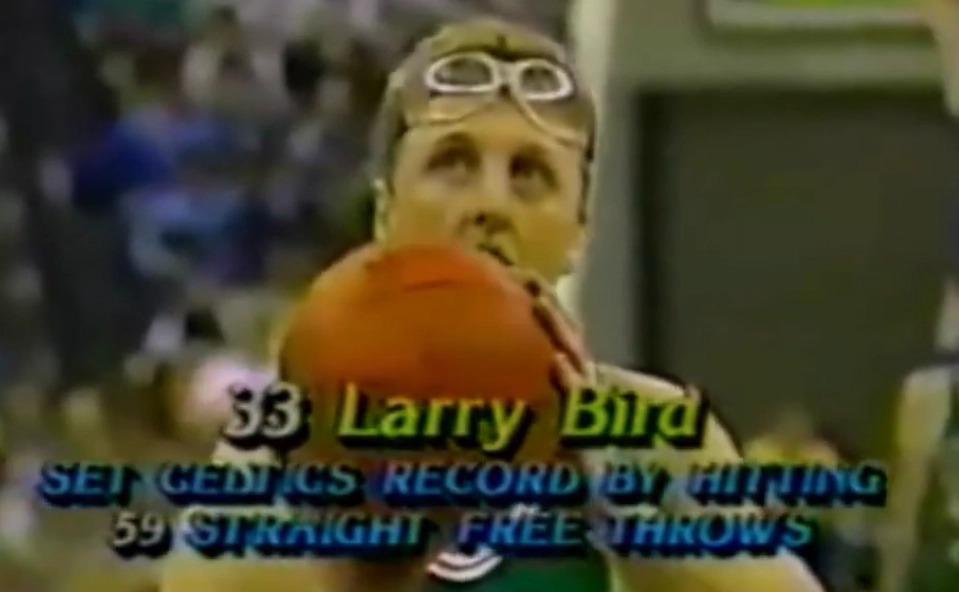
As the ball snapped through the net, confirming the lesson, Miller could only arrive at one painful, undeniable conclusion about the man who had just dismantled his ego with a single sentence and a flick of the wrist: "It's true" [01:23].
It was a humbling lesson in hierarchy. You can have the reigns, you can make the All-Star team, but you do not tug on Superman's cape. Not when Superman is Larry Bird, and especially not when he’s standing at the free-throw line, reminding you exactly who owns the game.
Comments