
In the quiet, unsuspecting town of Haverhill, Massachusetts, a divergence occurred that would ripple through the fabric of heavy metal history. It was here, in a household described as "about as normal as you could possibly have," that the Cummings brothers grew up soaking in the Technicolor radiation of 70s monster movies and comic books [00:49]. But while the elder brother, Robert, would drift toward the graveyard to build a horror empire as Rob Zombie, the younger, Michael, looked upward. He didn’t want the crypt; he wanted the cosmos. He dropped the name Cummings, adopted the moniker Spider One, and armed with a cheap drum machine and a vision of "Action Rock," set out to conquer the galaxy [00:20].
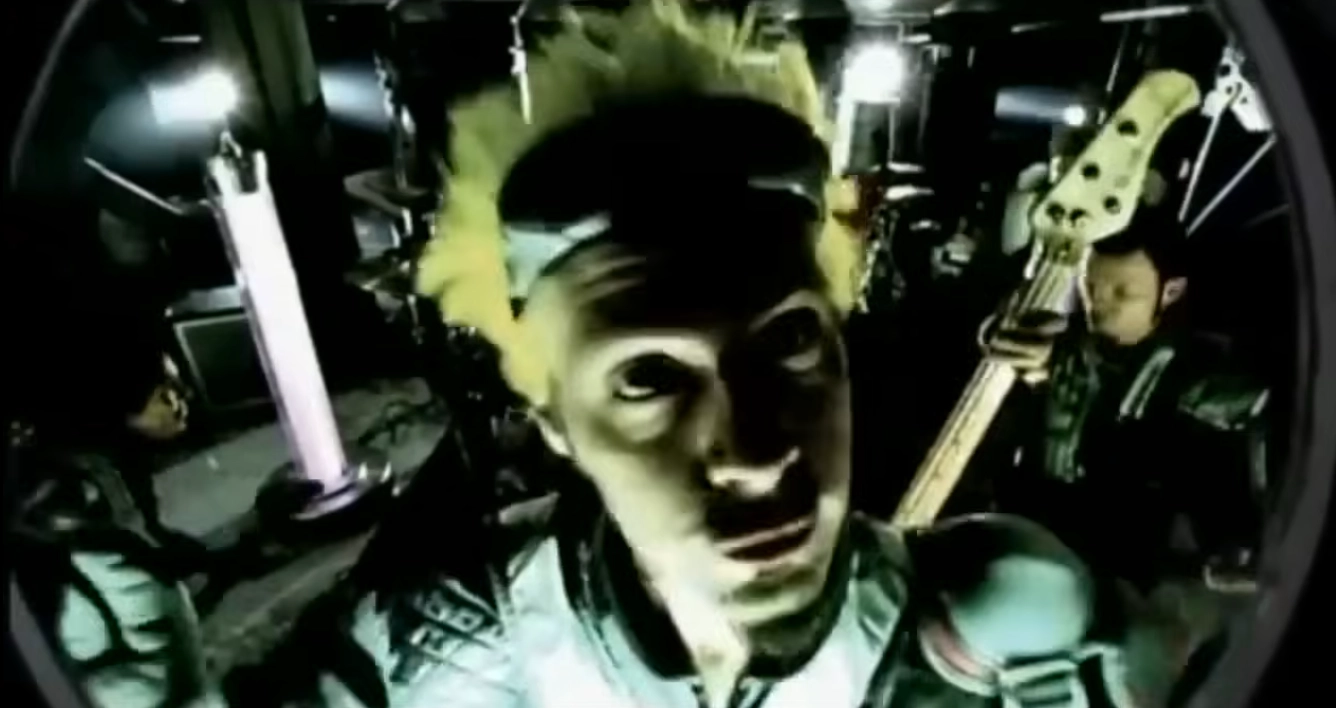
This is the story of Powerman 5000—a band that clawed its way from the Boston underground to platinum glory, only to incinerate their own future in a moment of artistic madness.
The Birth of Action Rock
Spider One wasn’t interested in the dour grunge that ruled the airwaves of the early 90s. He wanted a "bizarre high energy mix of punk, rap, and metal," a sound that was less Seattle flannel and more Saturday morning cartoon [05:33]. Alongside collaborators like drummer Al 3 and bassist Dorian 27, Spider forged a sonic identity that was "aggressive, experimental, and proud to be weird" [06:54]. They were a collision of Berklee School of Music precision and raw, punk-rock incompetence, a "clash of musicality and non-musicality" that somehow worked perfectly [04:31].
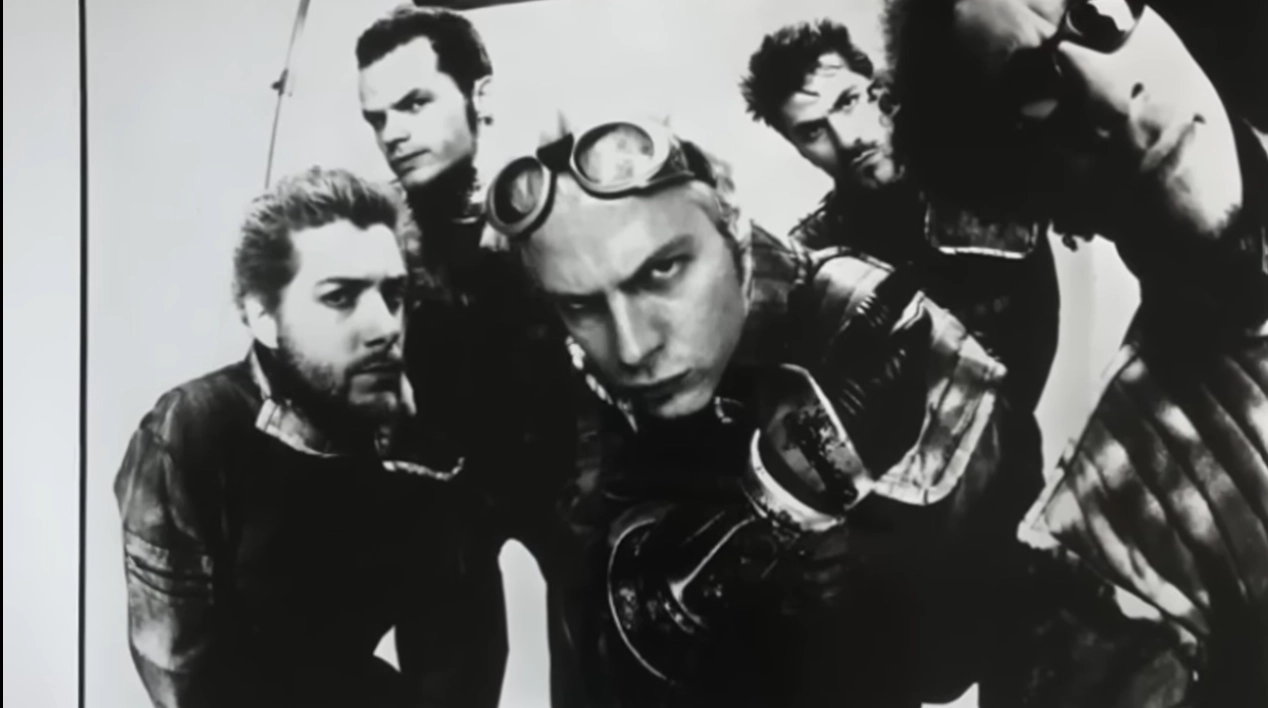
Their manic energy caught the eye of DreamWorks Records—yes, Steven Spielberg’s label—who were looking for something eclectic. They didn't sign Powerman 5000 because they guaranteed 20 million records; they signed them because they had a point of view [08:41].
When Worlds Collide
By 1999, the band had fully mutated into their final form. They released Tonight the Stars Revolt!, a science fiction concept album that sounded like a "fusion of industrial metal crunch, danceable electronic beats, and huge stadium-sized hooks" [13:27]. This was the peak. The video for "When Worlds Collide" was a retro-futuristic fever dream that dominated MTV, propelling the album to platinum status and selling over a million copies [17:08]. They weren't just a band anymore; they were a "visual universe," decked out in matching spacesuits, sharing stages with titans like Metallica and Pantera [17:19].
They had defied the odds. They had survived the comparisons to Rob Zombie, with Spider insisting he never felt competition, only relief to have a "success story to relate to" [12:18]. They were poised to rule the new millennium.
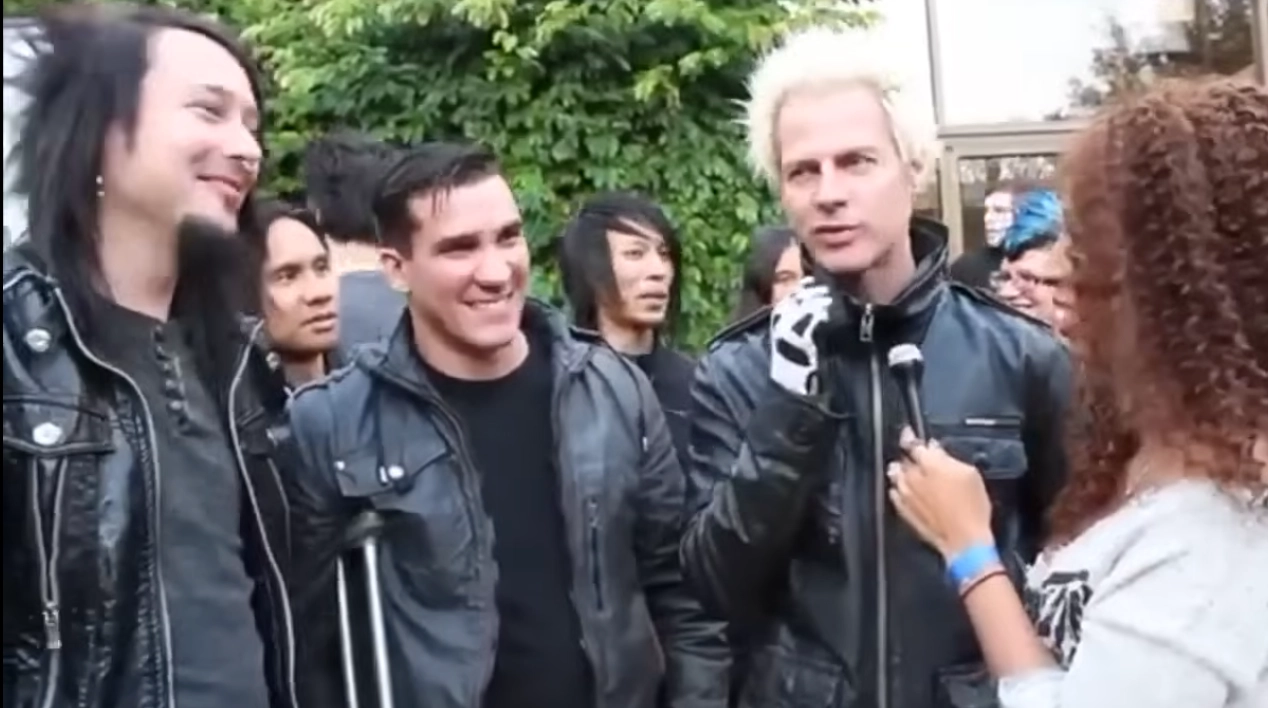
The Doomsday Decision
And then, they blinked.
The year was 2001. The follow-up album, Anyone for Doomsday, was in the can. The release date was locked for August. The lead single, "Bombshell," was tearing up the radio charts and serving as the entrance theme for the Dudley Boyz in the WWE [18:23]. The posters were printed. The tour was booked. The machine was in motion.
But two weeks before the drop, Spider One made a call that would become legend for all the wrong reasons. He pulled the record.
He felt the album was a fraud—a rehash of their previous success rather than an evolution. "I just threw away any idea of what we should be doing," Spider later said. "Forget about what we've done... just do whatever we feel like doing" [19:09]. It was a move of staggering artistic integrity, a refusal to become a parody of himself. It was also, as his bandmates saw it, "career suicide" [20:04].
The fallout was nuclear. The core lineup shattered. Bassist Dorian 27 and drummer Al 3 walked out, and the momentum that had taken a decade to build evaporated overnight [20:15]. The platinum future was fumbled, lost in the vacuum of space.
Transformation and Survival
Most bands would have imploded, but Spider One is a captain who refuses to abandon ship. He rebuilt the band from the rivets up, releasing Transform in 2003. The spacesuits were incinerated, replaced by a stripped-down punk aesthetic inspired by The Clash and the Sex Pistols [22:08]. It was a "hard turn left," a raw and aggressive record that proved they wouldn't play the game [21:56].
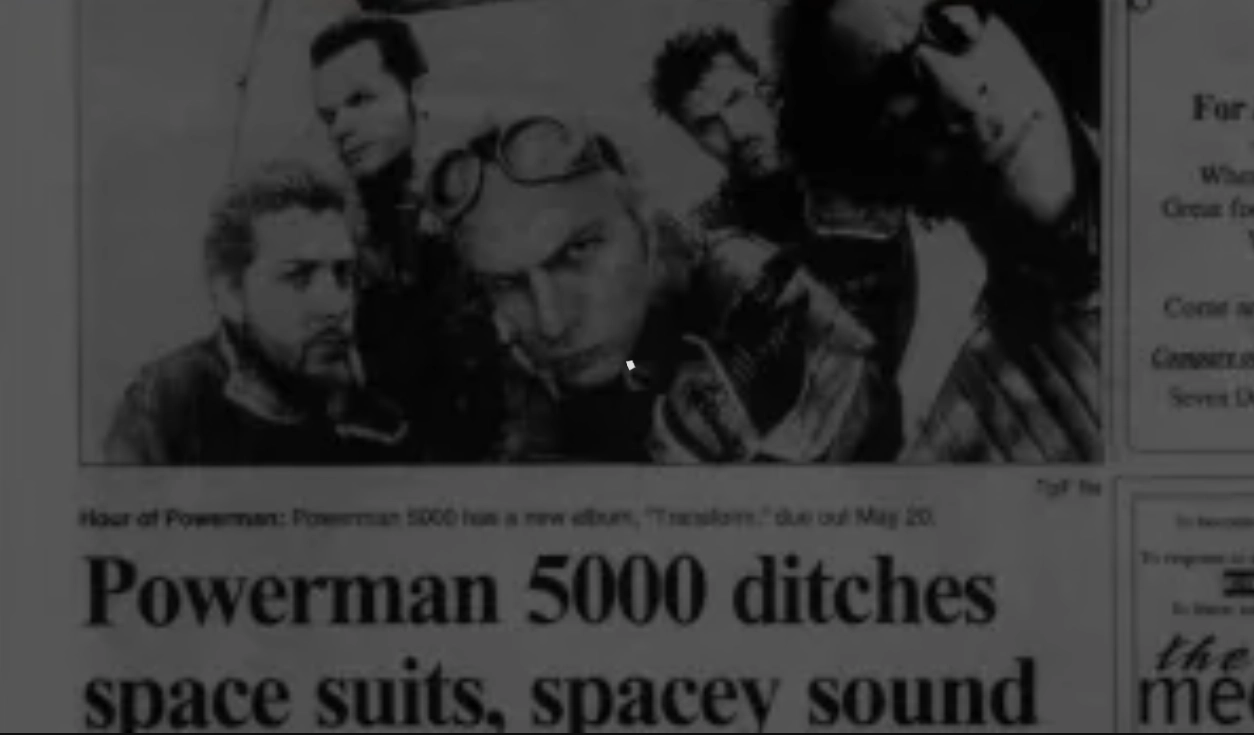
But the industry is cruel. Their label, DreamWorks, was dissolving, and the support for this bold new direction was nonexistent. They were dropped in December 2003, left in a "no man's land" [23:44].
The Noble Rot
Yet, the story doesn't end in tragedy. It ends in defiance. Spider One took the reins, forming his own label and steering Powerman 5000 through the decades. They returned to their sci-fi roots with albums like Somewhere on the Other Side of Nowhere, finding the sweet spot between their industrial past and their punk soul [25:31].
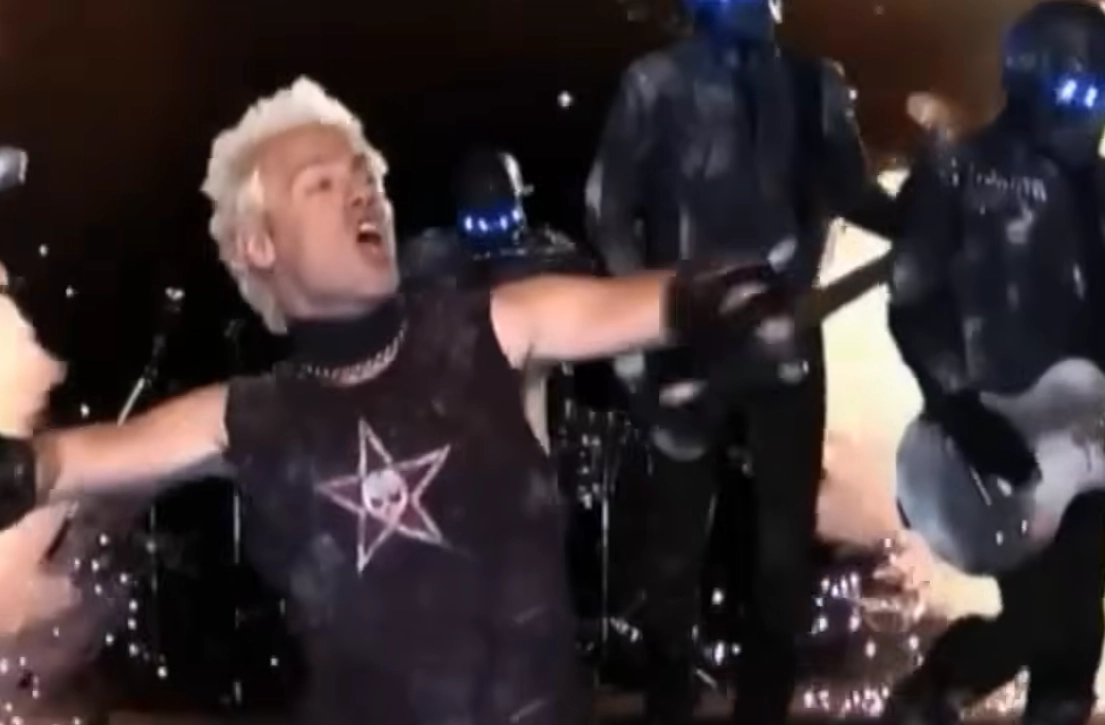
Today, Powerman 5000 remains an active force, touring for loyal fans who have stuck with them through every mutation [26:13]. They are a band that "stared massive success right in the face and decided to walk the other way," all because they refused to make the same album twice [26:43].
Was it a fumble? Perhaps. But in a music industry of manufactured products, Spider One’s decision to burn it all down stands as a testament to the one job he truly had: to stay true to his own strange, intergalactic vision.
Sources:

Comments