
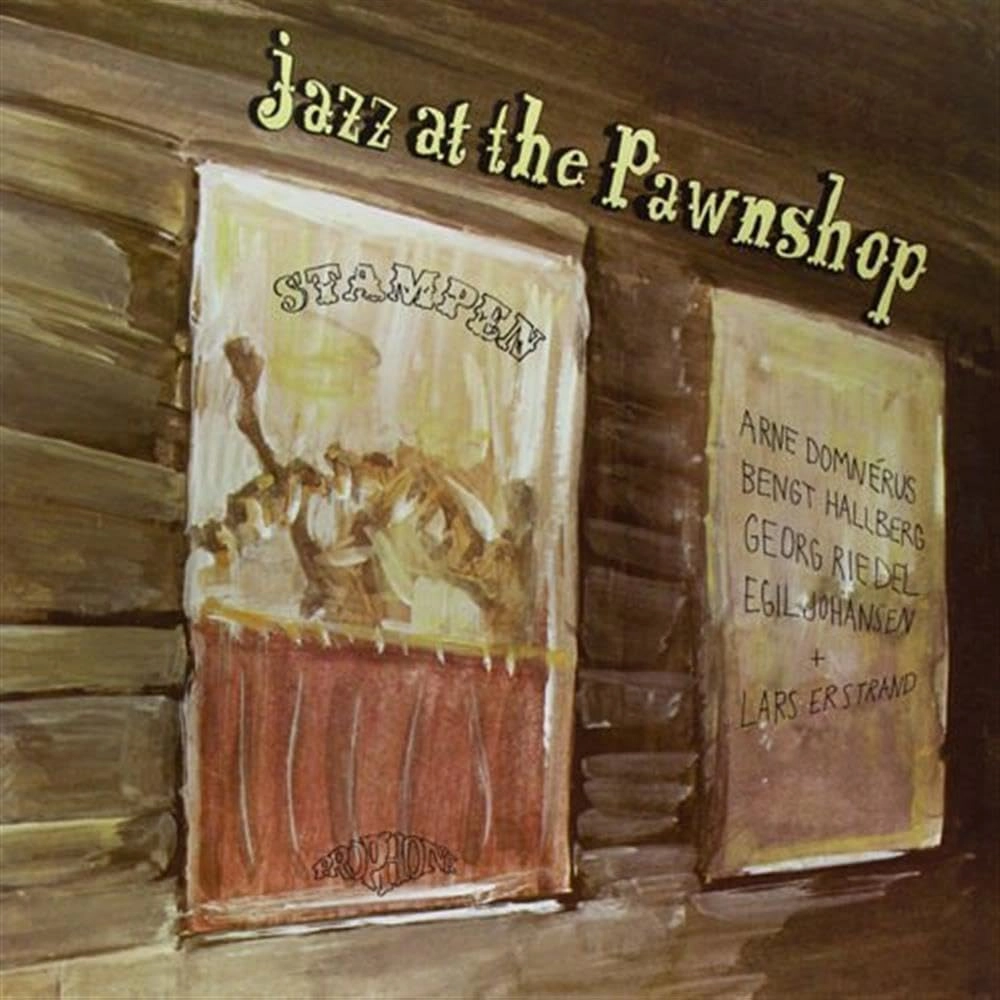

Jazz at the Pawnshop: Is it Actually Good Music?
If you’ve ever walked into a high-end audio show, you’ve heard it. It’s the sound of a tambourine shaking, a crowd murmuring, and a band playing what can only be described as "aggressively pleasant" jazz.
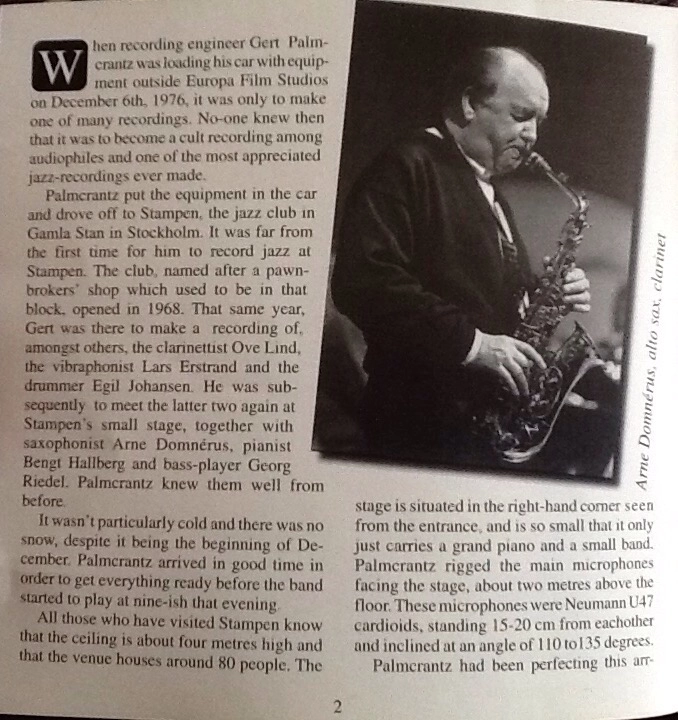
Jazz at the Pawnshop is the most famous record that nobody actually listens to for the music. It is the "Crysis" of the audio world—a benchmark used to stress-test hardware while the actual content remains secondary. But fifty years after it was captured at the Stampen club in Stockholm, we have to ask: Is this actually a masterpiece, or have we just been conditioned to like the sound of clinking silverware?
The ASMR of Audiophilia
Let’s be real: Jazz at the Pawnshop is essentially 70s ASMR for people with $50,000 turntables.
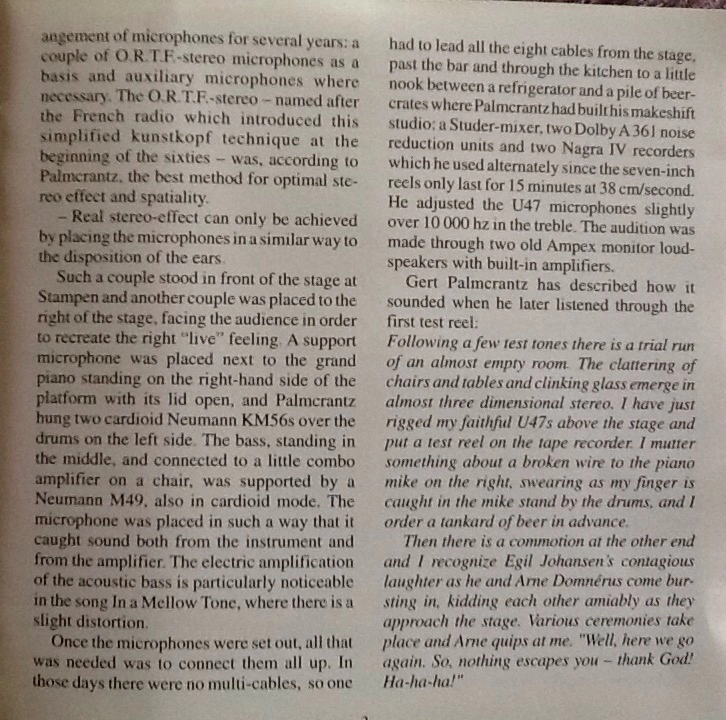
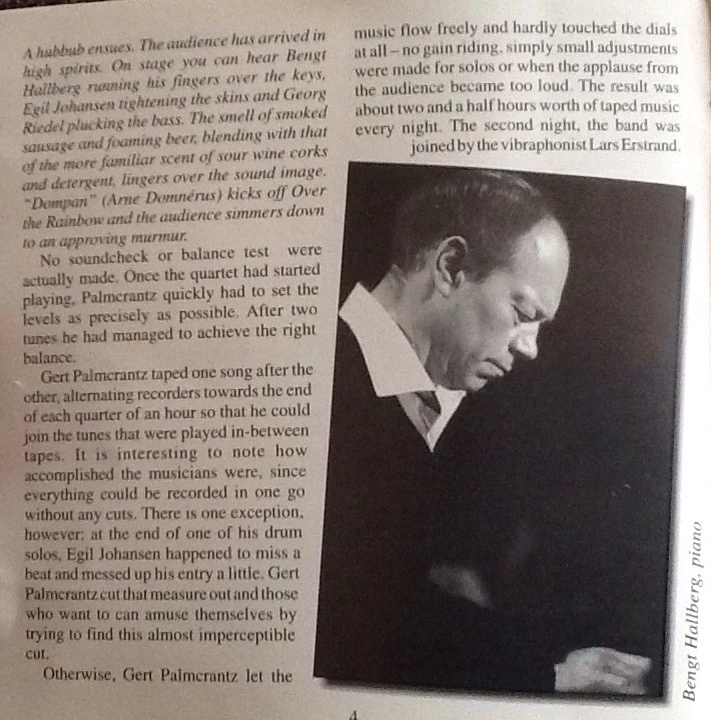
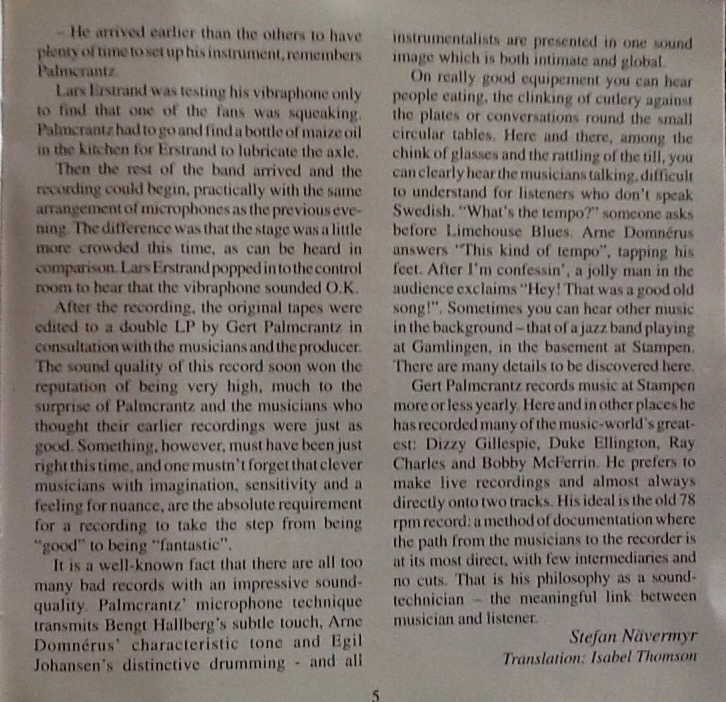
The genius of engineer Gert Palmcrantz wasn’t in the microphone placement alone; it was in the decision to leave the "errors" in. In a modern studio, that guy coughing in the second row would be scrubbed out by an AI plugin. In 1976, it became the star of the show. We’ve reached a point where audiophiles get more excited by the sound of a cash register at the 4:12 mark than they do by the actual saxophone solo.
The "Nice" Factor
The music itself—performed by Arne Domnérus and his quintet—is perfectly fine. It’s competent, swinging, and undeniably "nice." It’s the kind of jazz that wouldn't offend your grandmother at a Sunday brunch.
And that’s exactly why it works as a demo. If the music were too challenging—say, a late-period Coltrane screech—you’d be too distracted by the dissonance to notice the "air around the cymbals." By being musically safe, the album allows the listener to focus entirely on the technical specs of their gear. It’s a "Gear First" record.
The Digital Divide
Ironically, for a recording famous for its "analog warmth," Pawnshop has been sold back to us in every digital format imaginable: CD, SACD, XRCD, DSD256, and probably eventually via neural link. Each version promises to get you closer to that Stockholm night.
But here’s the kicker: you don’t need a $10,000 system to "get" it. Even on a decent pair of headphones, the recording’s sense of space is undeniable. It’s a triumph of engineering over art. It proves that a great recording of a "good" band will always beat a bad recording of a "great" band in the hearts of hifi nerds.
The Verdict
We listen to Jazz at the Pawnshop to feel smart about our purchases. We listen to it to hear the room, not the notes. And honestly? That’s okay. Just don’t try to tell me it’s Kind of Blue. It’s a sonic playground, a technical marvel, and the most expensive background noise ever recorded.
More info


Comments