
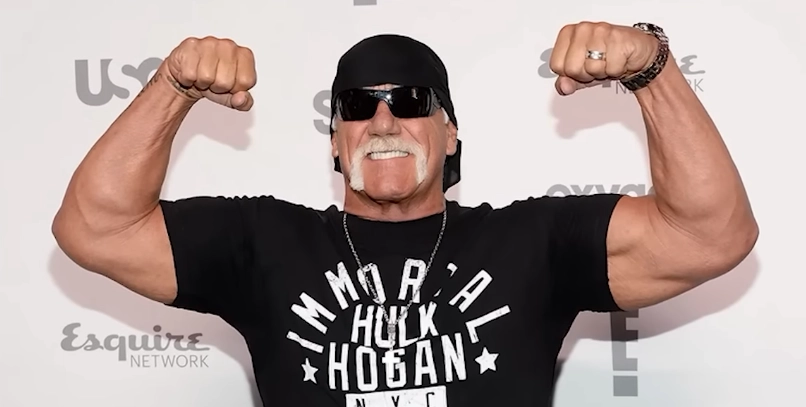
Professional wrestling is the ultimate high-wire act—a place where athletes must also be "professional Pretenders" [00:06]. For decades, Terry Bollea's persona, Hulk Hogan, was impeccable: an All-American hero who was the undisputed face of the industry [00:33]. But outside the script, the man behind the character became hopelessly caught up in a web of "endless lies that destroyed his reality" [01:30].
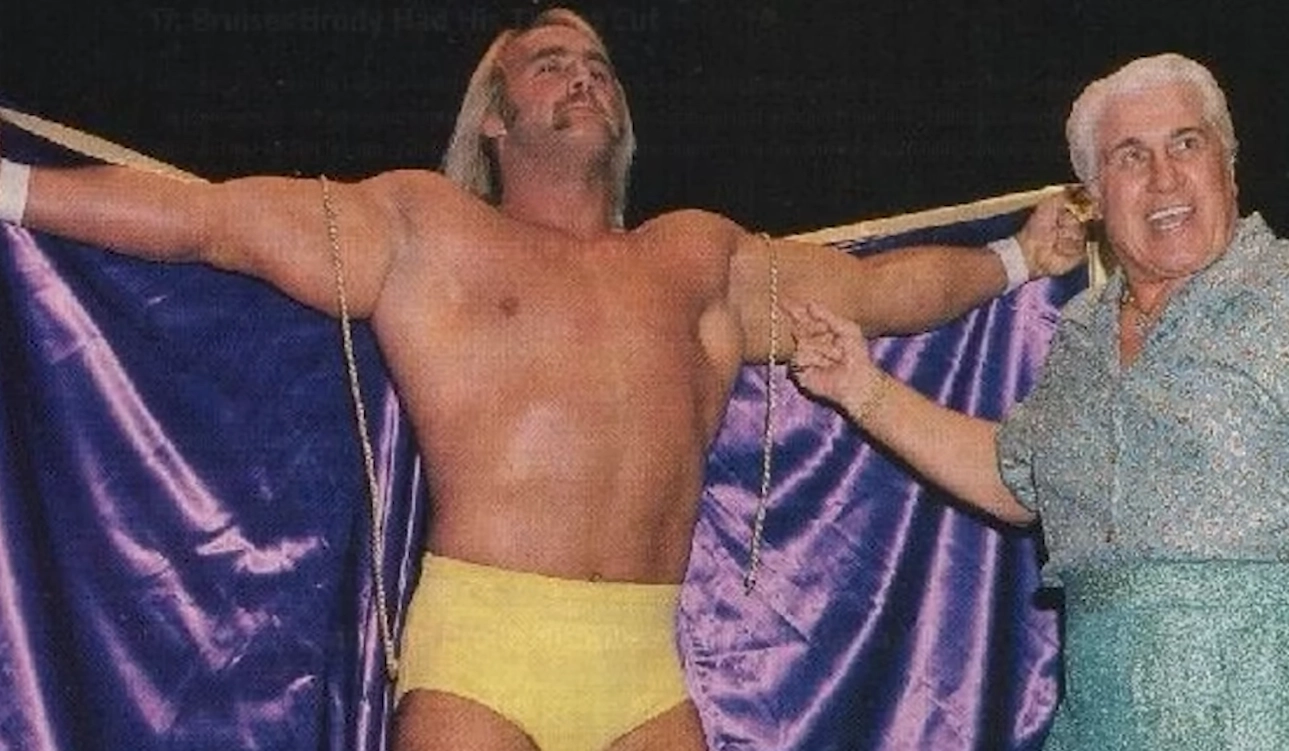
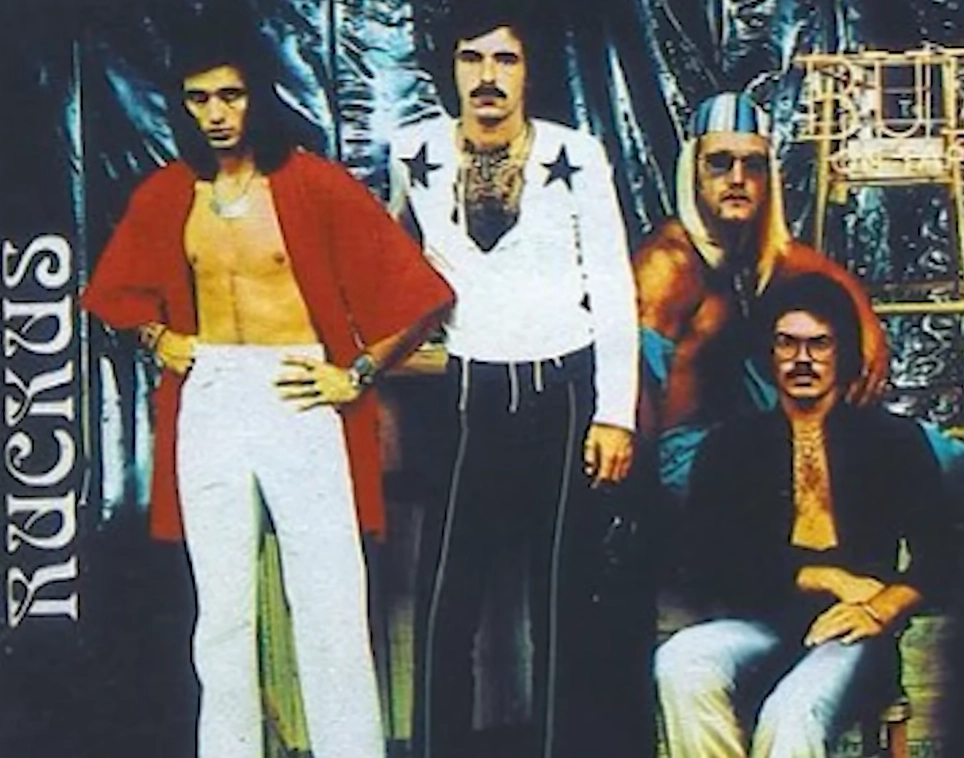
The pattern of fabrication began long before the spotlight. Bollea was known to embellish, falsely claiming he was scouted by the Cincinnati Reds and New York Yankees before an elbow injury halted his baseball career, a claim for which "there is no proof that that ever happened" [02:27]. This habit extended to his music career, where he claimed he was "big Pals with Lars [Ulrich]" and was asked to play bass for Metallica [03:06]. Ulrich later denied the story, stating he had "no recollection of doing anything with quote Hulk Hogan end quote" [03:16].
The Dark Side of Hulkamania
While building his empire on three "demandments" (training, saying prayers, and eating vitamins) [10:00], Hogan maintained an extremely close relationship with WWF owner Vince McMahon. This loyalty, however, came at the expense of his peers. Fellow WWE Hall of Famer Jesse Ventura revealed in a deposition that Hogan was the one who "ratted me to Vince when I tried to unionize" the wrestlers [11:50], likely because Hogan was already being "taken care of," getting paid "more than all of us combined" at WrestleMania 3 [12:44].
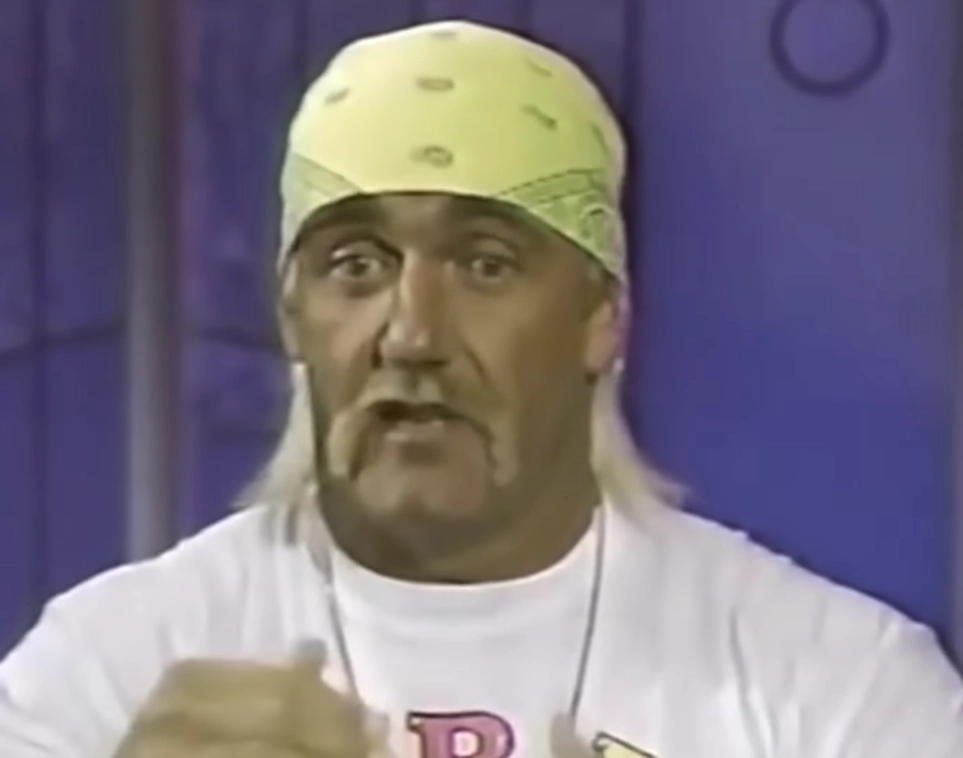
The "vitamins" facade truly crumbled amid a federal investigation. While he publicly denied being a "steroid abuser" in a 1992 interview [20:22], Hogan later testified in court in 1994, detailing "nearly 14 years of steroid abuse" [21:35]. This contradiction tarnished his reputation as the "illustrious American hero" [23:04].
The Creative Tyrant
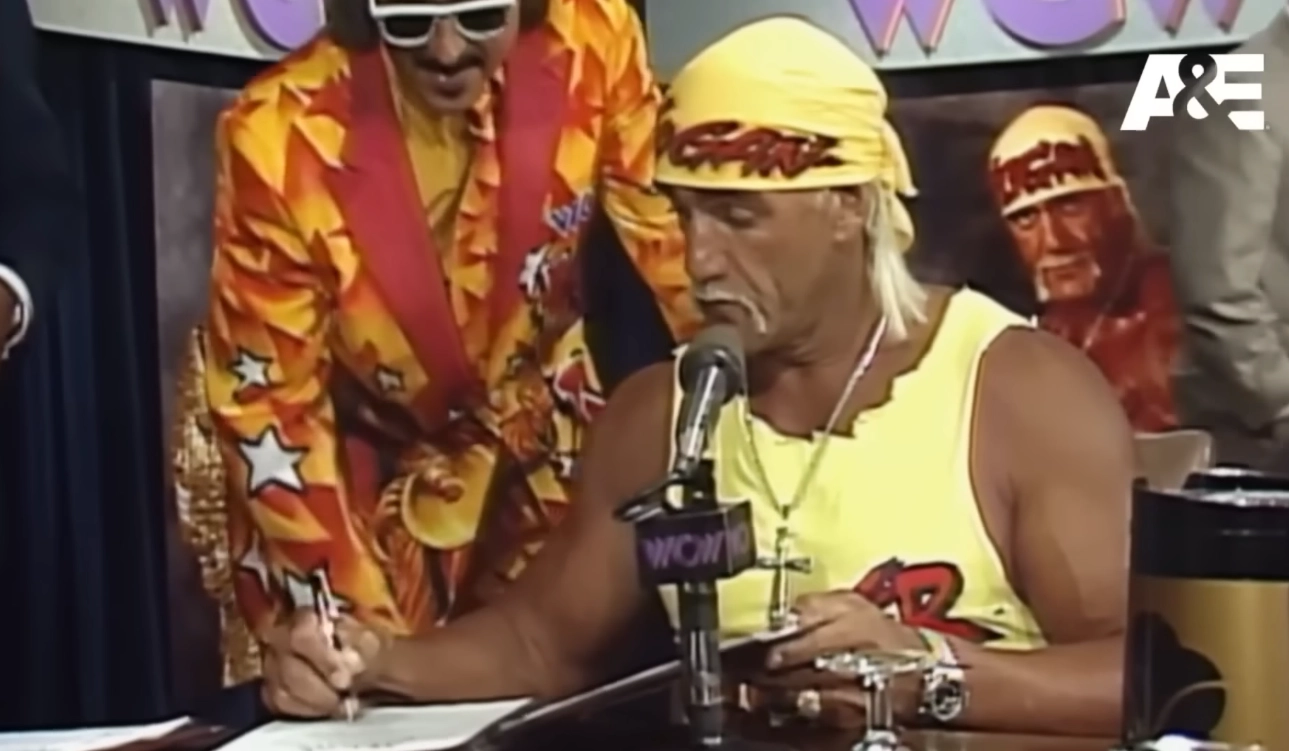
When Hogan jumped to WCW in 1994, he was given the most dangerous tool: "total creative control over his character" [24:34]. This privilege was widely seen as a major factor in the promotion's demise. Hogan was accused of changing match finishes, such as allegedly altering his Bash at the Beach match against Ric Flair at the last minute to ensure a win [25:01]. His obsession with maintaining dominance was crystallized in 2000 during the infamous, unscripted "lie down" match, where writer Vince Russo exposed on-air that Hogan had chosen to "play his creative control cour" to win the title [29:50]. Hogan was never seen in WCW again [30:20].
Collapse of the Man
By the mid-2000s, Hogan's personal life imploded under the weight of reality television, specifically his VH1 show, Hogan Knows Best [33:03], which ultimately led to the "destruction of Hogan's Family" [33:28].
Infidelity: His marriage to Linda ended after she discovered he "cheated on her with their daughter's best friend" [36:08].
Privacy Invasion: A 2006 sex tape was leaked by Gawker [37:05]. Hogan sued, winning a monumental $115 million in compensatory damages [39:42].
Racial Hate: More found footage was released where Hogan made explicitly racist comments regarding his daughter dating black men, shockingly stating, "I'm a racist to a point" [41:43].
This final controversy forced the WWE to terminate his contract and begin "scrubbing Hulk Hogan from the WWE's website" [42:55], erasing his legacy from the company's history books. Though he was eventually reinstated to the Hall of Fame in 2018 [45:56], the video concludes that for Terry Bollea, the distinction between the hero he played and the man he was has been permanently blurred [47:26].


Comments