
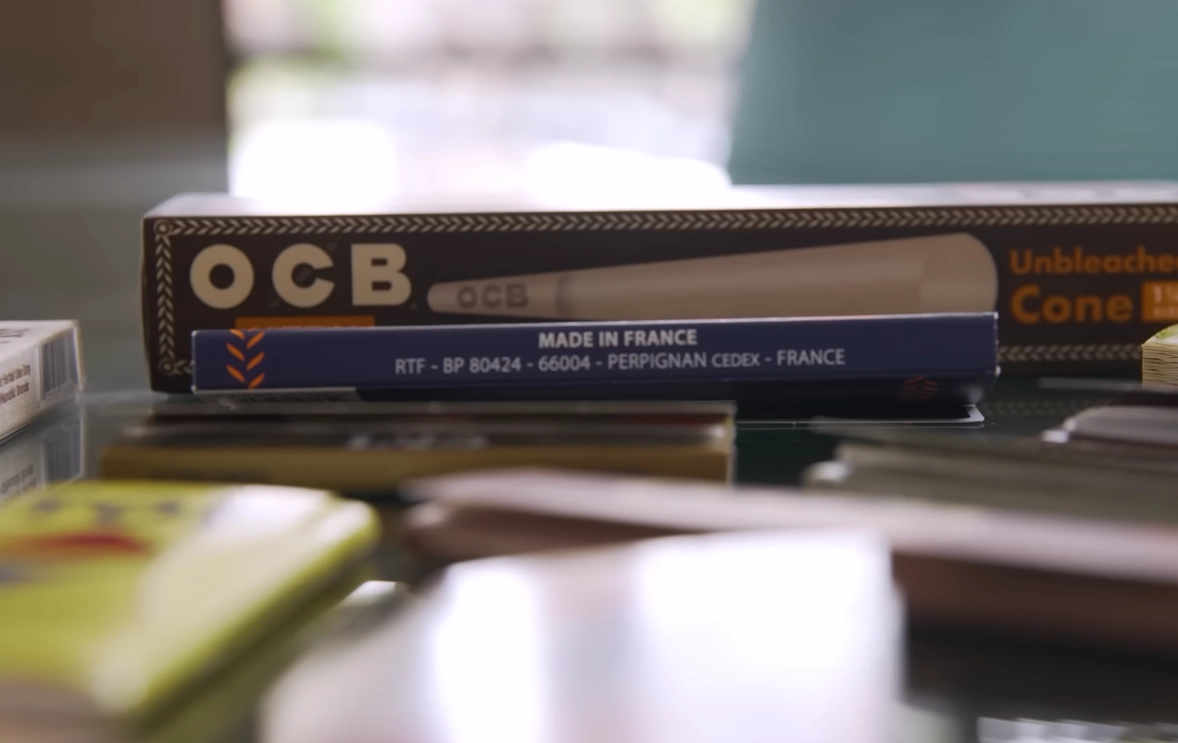
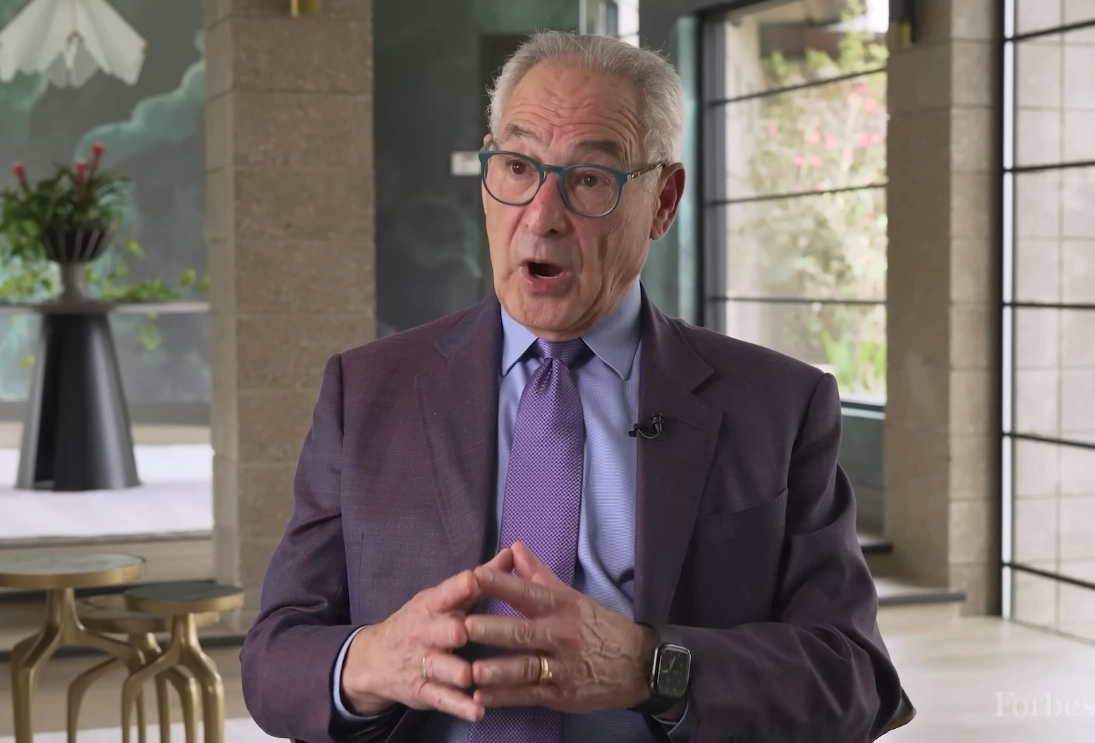
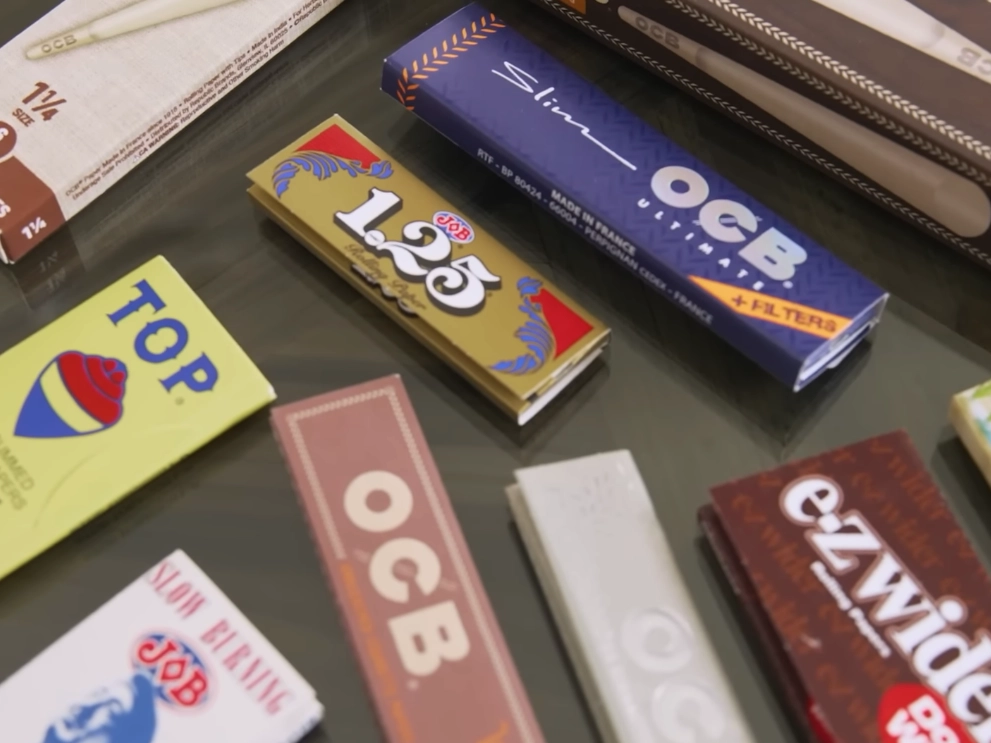
In the sanitized world of modern billionaires, Don Levin stands as a relic of a grittier era—a former Marine and used car salesman who stumbled into a fortune by selling the one thing the counterculture couldn't smoke without. As the chairman of the Republic Group, Levin controls a "plant to puff" empire that dominates the rolling paper industry, owning iconic brands like OCB, JOB, and E-Z Wider [00:55]. But the path from a Chicago head shop to a global manufacturing monopoly wasn't a master plan; it was a series of gambles, close calls with the Feds, and one serendipitous mistake in a French elevator.
From Used Cars to Counterculture
In 1969, Levin was suffocating in the "staid" world of selling Oldsmobiles. Desperate for an exit, he and a friend purchased a boutique shop called "Adam’s Apple," keeping the name simply because they liked the psychedelic sign in the window [02:11]. Levin, a non-smoker who admits cannabis makes him "sit in the corner and drool," initially refused to stock rolling papers [08:57]. It took three days of relentless customer demand to force his hand. When he realized the New York middlemen were marking up imports with exorbitant premiums, the entrepreneur in him awoke. He decided to cut them out and go straight to the source in Europe [03:28].
The Billion-Dollar Blunder
Levin’s ascent hinges on a single, cinematic moment of error. Traveling to Paris to court the executives of Zig-Zag, the market leader, Levin misread the building directory. He walked onto the wrong floor and inadvertently walked into the offices of their competitor, JOB [04:58]. In a twist of fate, JOB had just been burned by a fraudulent Californian buyer and was sitting on 10,000 boxes of surplus inventory. Levin bought the lot on the spot, securing exclusive U.S. distribution rights and accidentally launching his dynasty [05:22].
Dodging the Federal Dragnet
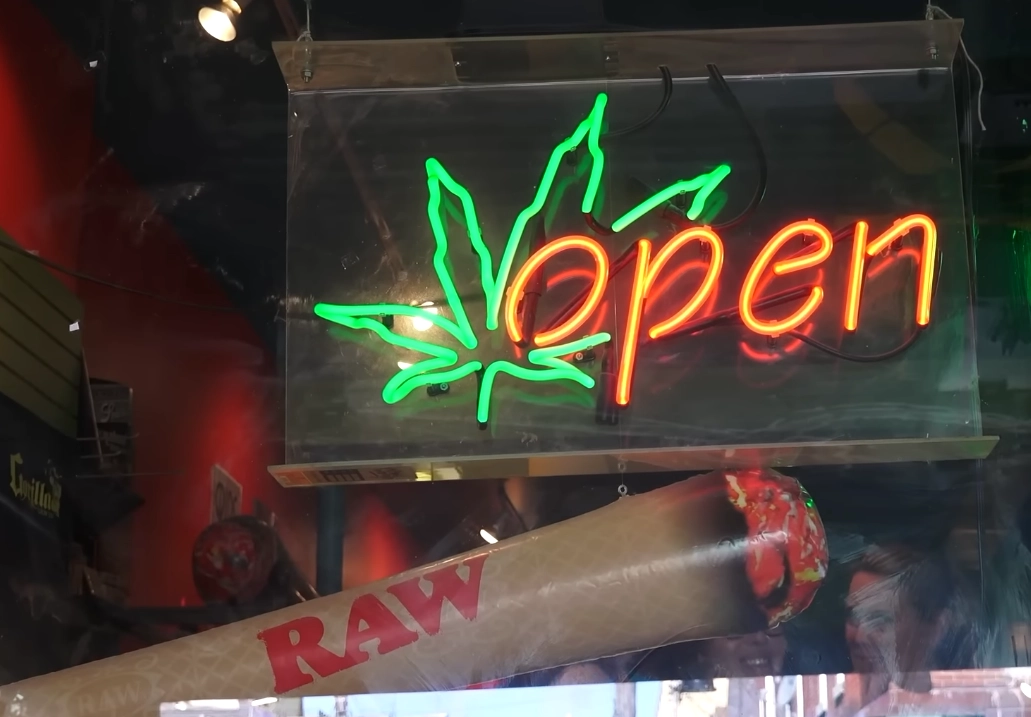
By the late 1970s, Levin had built the "Sears of paraphernalia," selling everything from roach clips to bongs [09:38]. But the political winds were shifting. As the Jimmy Carter administration cracked down on drug paraphernalia, Levin watched peers face prison sentences of over 100 months [09:58]. While others fought the law, Levin ruthlessly cut his losses. He liquidated his entire inventory of pipes and bongs, pivoting solely to rolling papers—the one item the courts deemed legal [10:38]. It was a survival instinct that saved his company while the competition
went to jail.
The Hostile Takeover That Wasn't
In the 1980s, corporate raider Vincent Bolloré acquired Levin's French suppliers, threatening to shutter the factories. Levin flew to France and boldly confronted Bolloré, telling the tycoon he was "screwing this up" [06:25]. Instead of firing him, Bolloré respected the audacity. Years later, in 2000, Bolloré called Levin and sold him the entire OCB brand and manufacturing arm, cementing Levin’s status as a manufacturer, not just a distributor [07:28].
The Future of Smoke
Today, Levin views the inevitable legalization of cannabis with a cold, pragmatic eye. He predicts that the "underground environment" will dissolve, but the victors won't be the grassroots activists—it will be Big Tobacco and alcohol conglomerates, simply because they know how to pay the taxes the government craves [12:42].
Levin attributes his empire to a philosophy of pure risk [13:07]. He compares his management style to a story he once heard about Walt Disney: he is not the artist drawing the mouse, but the butterfly moving from plant to plant, making things bloom [14:54].

Comments