
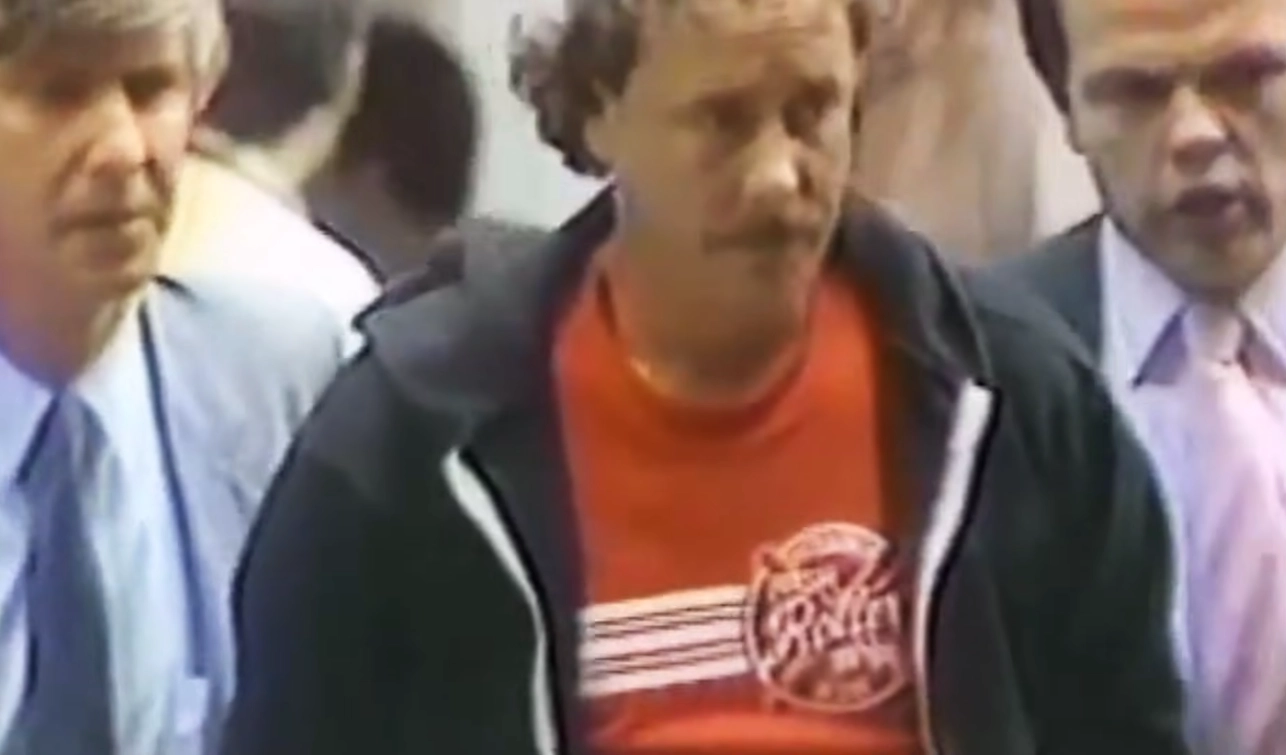
In the 1980s, Major League Baseball was gripping the bat with one hand and a rolled-up bill in the other. It was an era defined not just by home runs and stolen bases, but by a "massive scandal" where a single substance took over the entire league. We aren't talking about steroids. We're talking about cocaine. The story of how America's pastime became a snowstorm is one of the most bizarre chapters in sports history—a tale involving hallucinations, sliding headfirst to save vials, and a drug-dealing mascot who brought it all crashing down [00:01].
The Bird Behind the Bars
The epicenter of this powder-fueled madness was an unlikely figure: The Pittsburgh Pirates' mascot, the Pirate Parrot.
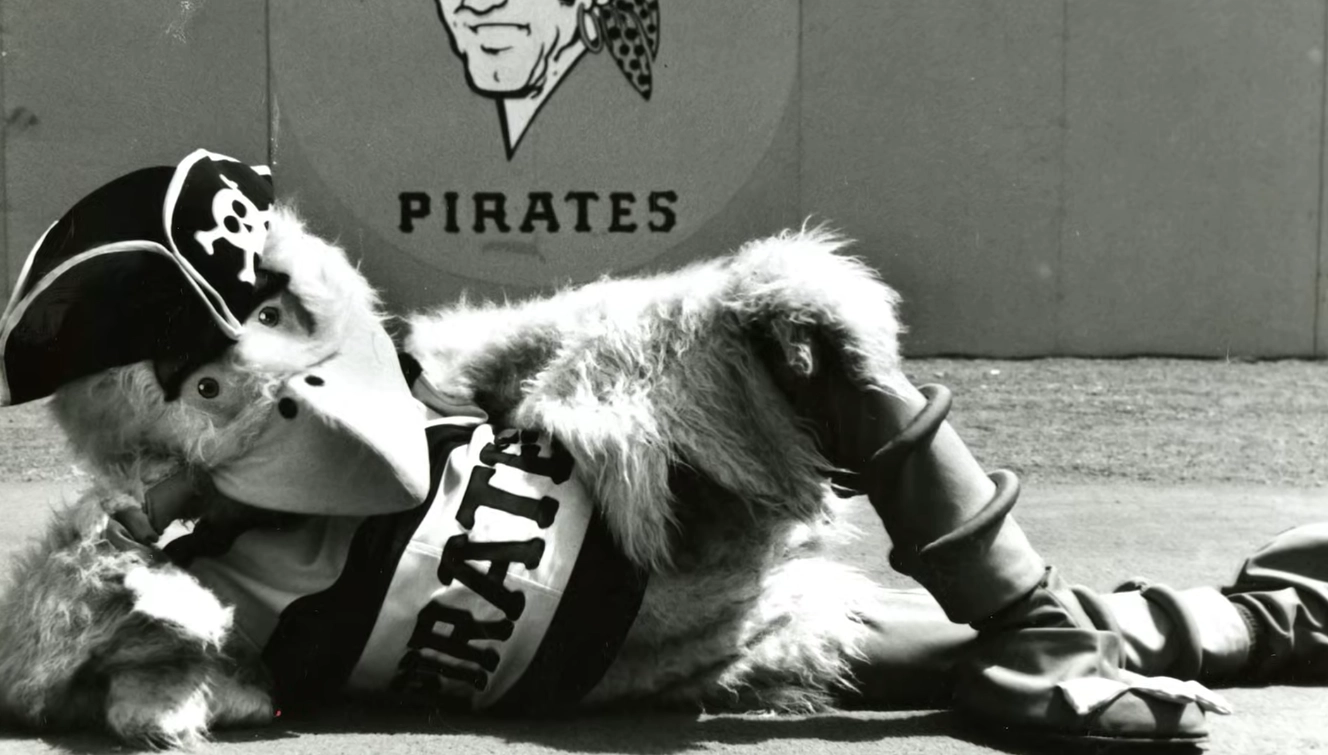
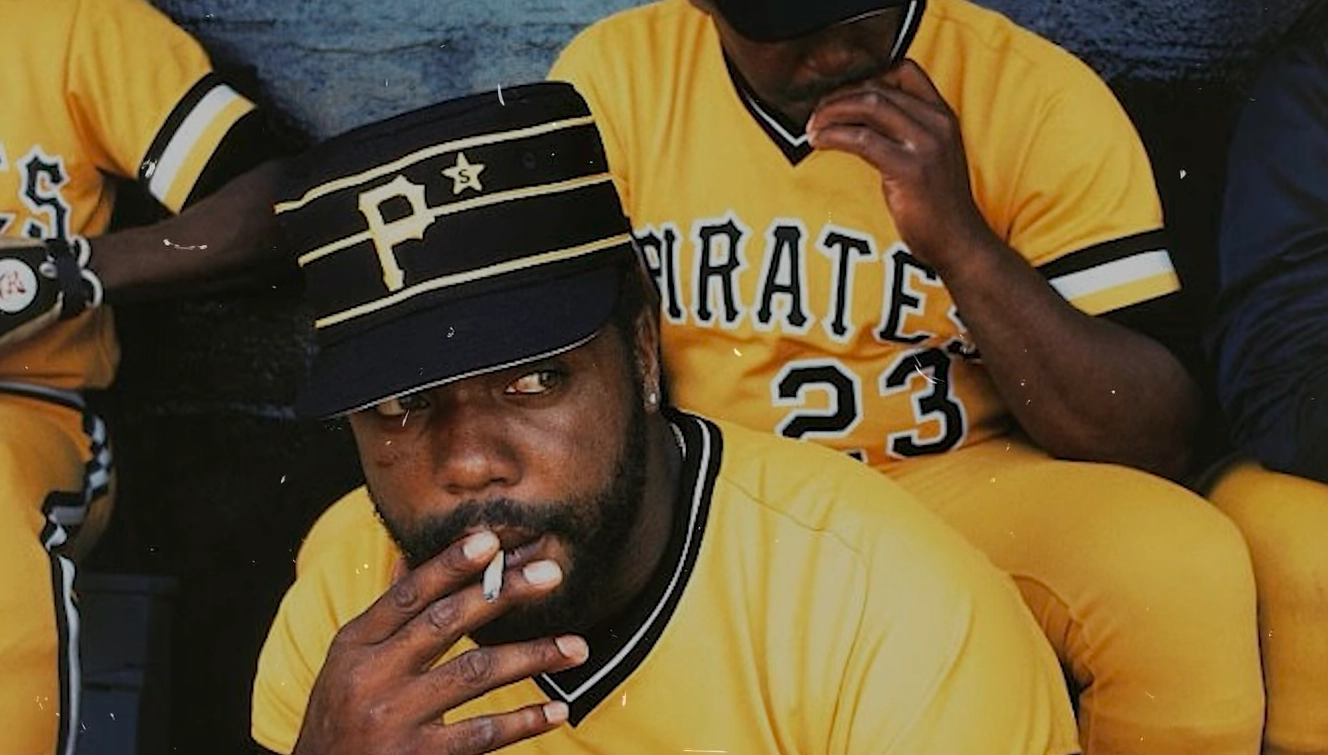
In 1979, the Pirates were a sensation, winning an iconic World Series with a team of eccentric characters who "played better when [they were] bleeding" and wore stars on their hats for every good play [03:08]. The owners felt this wild franchise was missing one thing: a mascot. They were looking for someone "over 5'8" and "slightly insane." Enter Kevin Ko. Hired for $25 a game, Ko was sent to spring training and instantly became a celebrity [03:26].
But the "Pirate Parrot" wasn't just entertaining fans. By the mid-80s, he had become a central node in the league's drug network. He was "selling to the whole league," or at least, that’s where the finger was pointed [12:55]. The mascot, a local celebrity with connections to dealers, began helping players score. He would even bring drugs into the clubhouse, allegedly high himself inside the costume during games [16:53].
A League Under the Influence
The extent of the usage was staggering. One player estimated that 40% of the league was on cocaine [00:27]. It wasn't just the fringe players; it was the stars.
Keith Hernandez, the MVP and defensive wizard, admitted he did so much cocaine in 1980 that he "doesn't remember an entire year of his life" [00:33]. Despite the memory loss, he still led the league in runs and on-base percentage that season.
Tim Raines, a Hall of Famer, became so hooked he would keep vials in his back pocket during games. He admitted to sliding headfirst specifically to avoid breaking the vials [17:11].
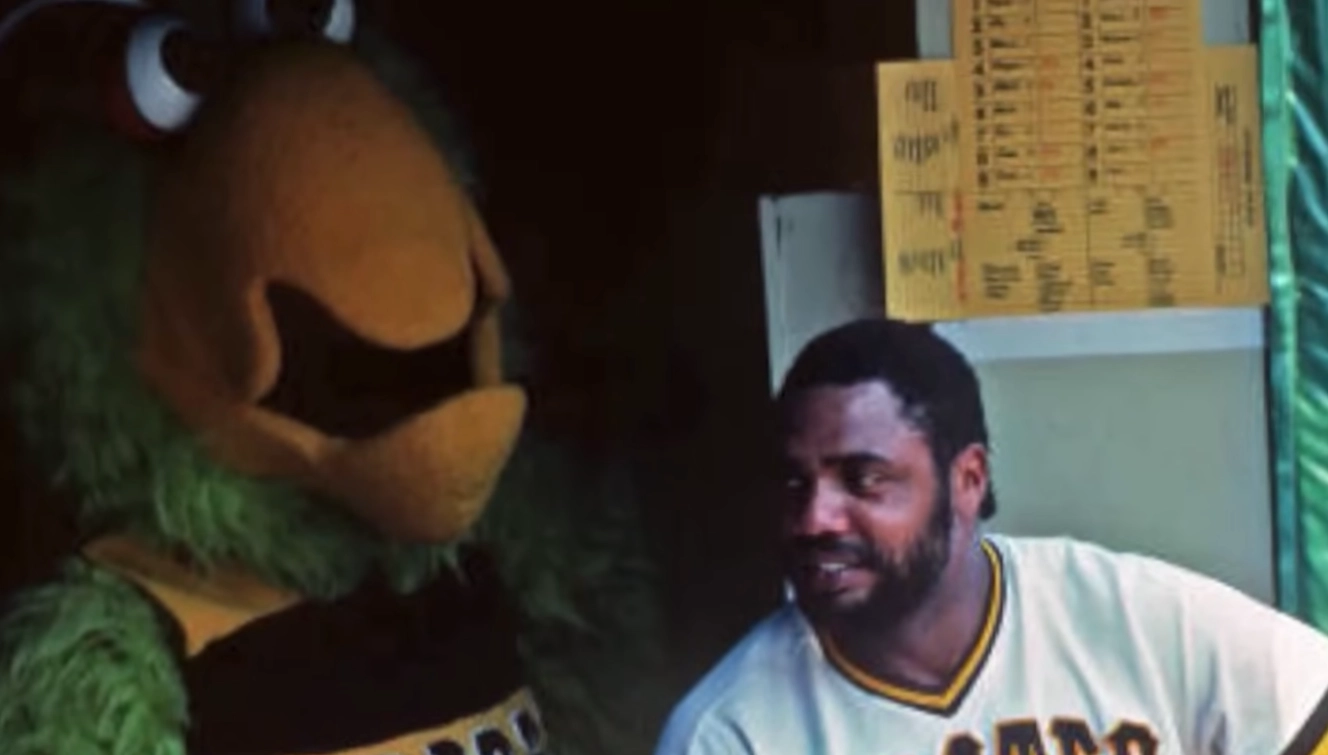
Dave Parker, a towering figure who once wore a hockey mask to the plate, was reportedly introduced to a dealer on a team plane. He eventually hired the dealer to travel with the team, effectively making him the "team cook guy" for drugs [16:40].
Rod Scurry, a pitcher, once smashed a TV because he was convinced there were snakes inside it [01:00]. Scurry's addiction was so severe he would fall asleep standing up during batting practice and spent an estimated $100,000 a year on the drug [13:32].
The War on "Whiteyball"
While the players partied, one man was fuming: Whitey Herzog. The manager of the St. Louis Cardinals, a Korean War veteran known as the "White Rat," despised the drug. He became convinced his team lost the World Series because they were on cocaine, and then went to another team only to find they were on cocaine too [00:20].
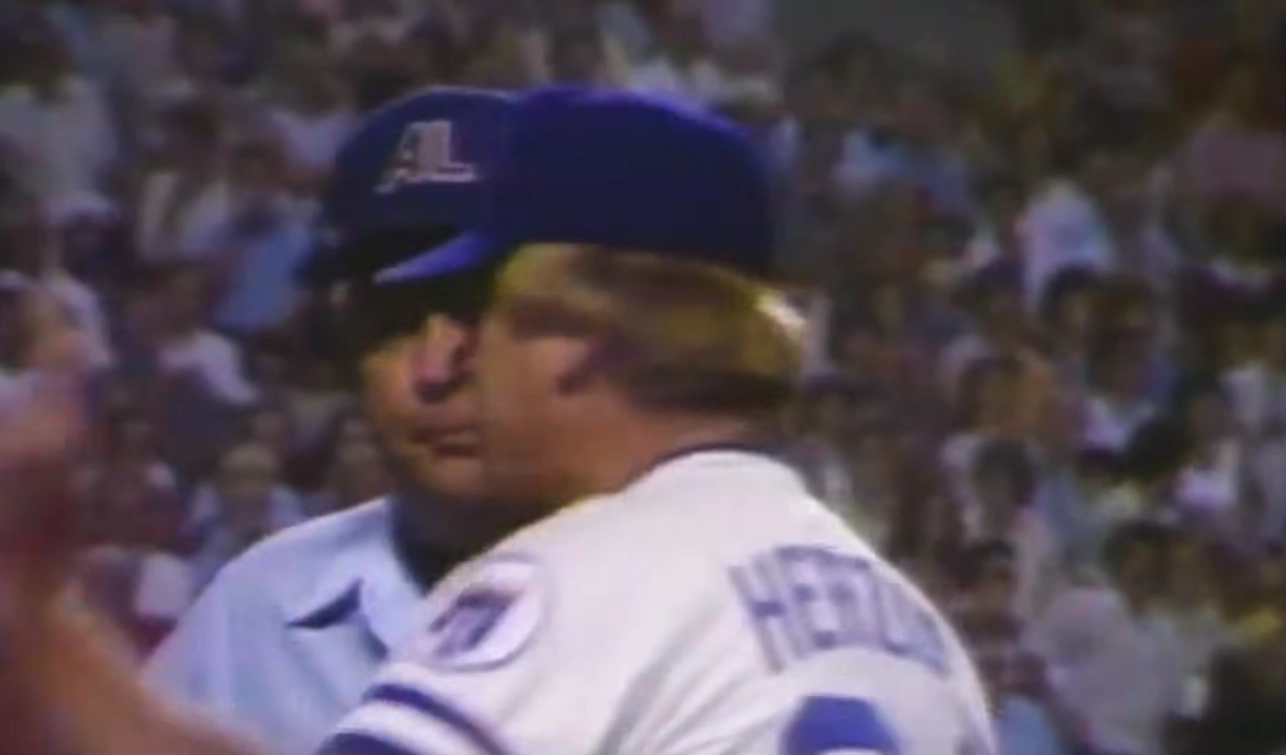
Herzog went on a rampage, trading away anyone he suspected of using. He traded Keith Hernandez, one of the best players in baseball, for two relief pitchers just to get the "coke" off his team [09:25]. He even dissolved an entire "coke team" of talented players like Lonnie Smith, who once attacked the Phillie Phanatic mascot in a drug-fueled rage [11:13]. Herzog would reportedly fly his team into cities like Montreal on the day of the game just to ensure they would be sober for at least one out of the three games [08:47].
The Trial That Exposed It All
The party couldn't last forever. The house of cards—or perhaps, the pile of powder—collapsed due to a federal investigation. Rod Scurry, the player who saw snakes in his TV, began cooperating with the FBI and named the Pirate Parrot as a source [13:55].
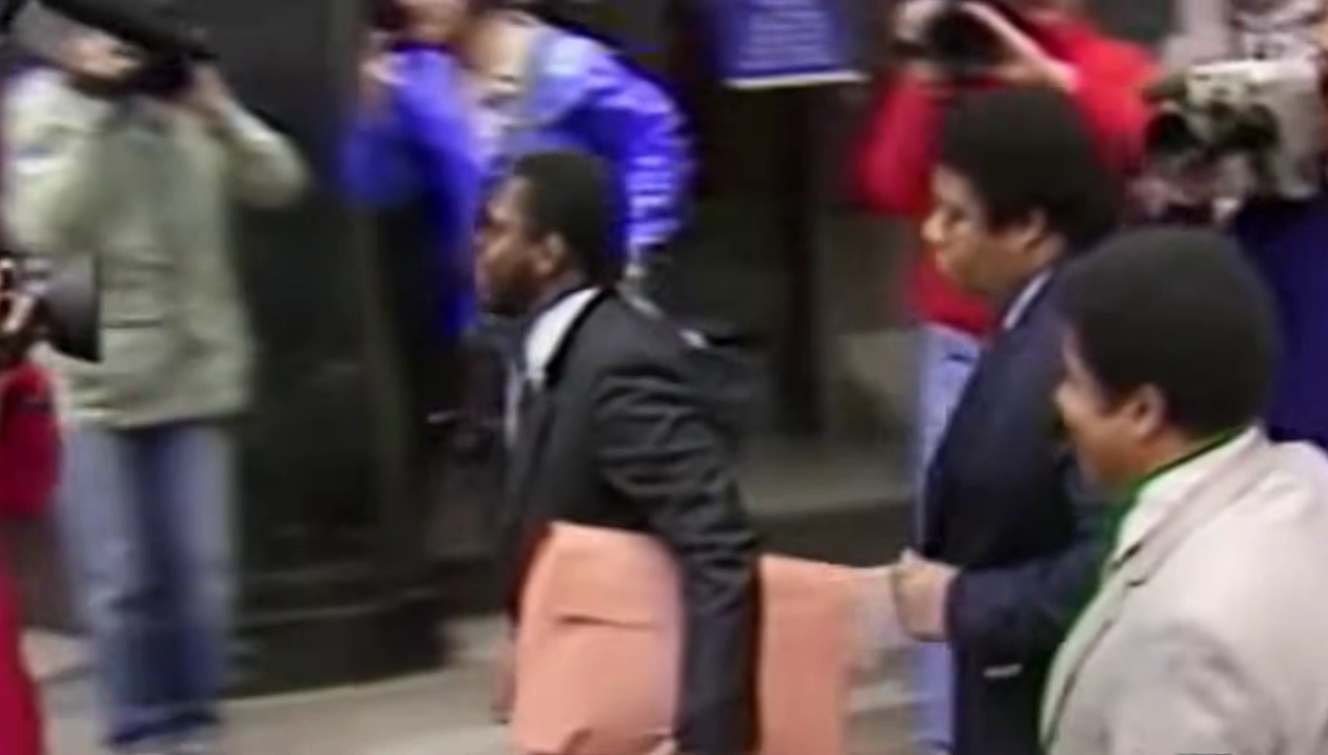
Facing the heat, the mascot turned informant. Kevin Ko started wearing a wire for the government, capturing evidence against the network [14:03]. This led to the famous Pittsburgh drug trials of 1985. In a twist of American justice, the outcome was heavily skewed. The players, the rich and powerful stars, were given immunity in exchange for their testimony. They spilled the beans on everything, exposing the league's dark underbelly to the grand jury [14:22].
The result? The "little guys"—the dealers, a team photographer, and the caterers—went to prison. The photographer got 12 years. The players? They received fines, community service, and testing requirements, but effectively got off "scot-free" to continue their lucrative careers [18:21].
The Legacy
The scandal left a strange legacy. It was a time when a player could win a Silver Slugger while losing a year of his memory, and a mascot could be the most dangerous man in the stadium. As the dust settled, the league moved on, but the stories of the 1980s remain a testament to a wilder, uninhibited, and chemically enhanced era of baseball. As the video succinctly puts it: "If you do coke, you better be talented" [18:34].
Comments