
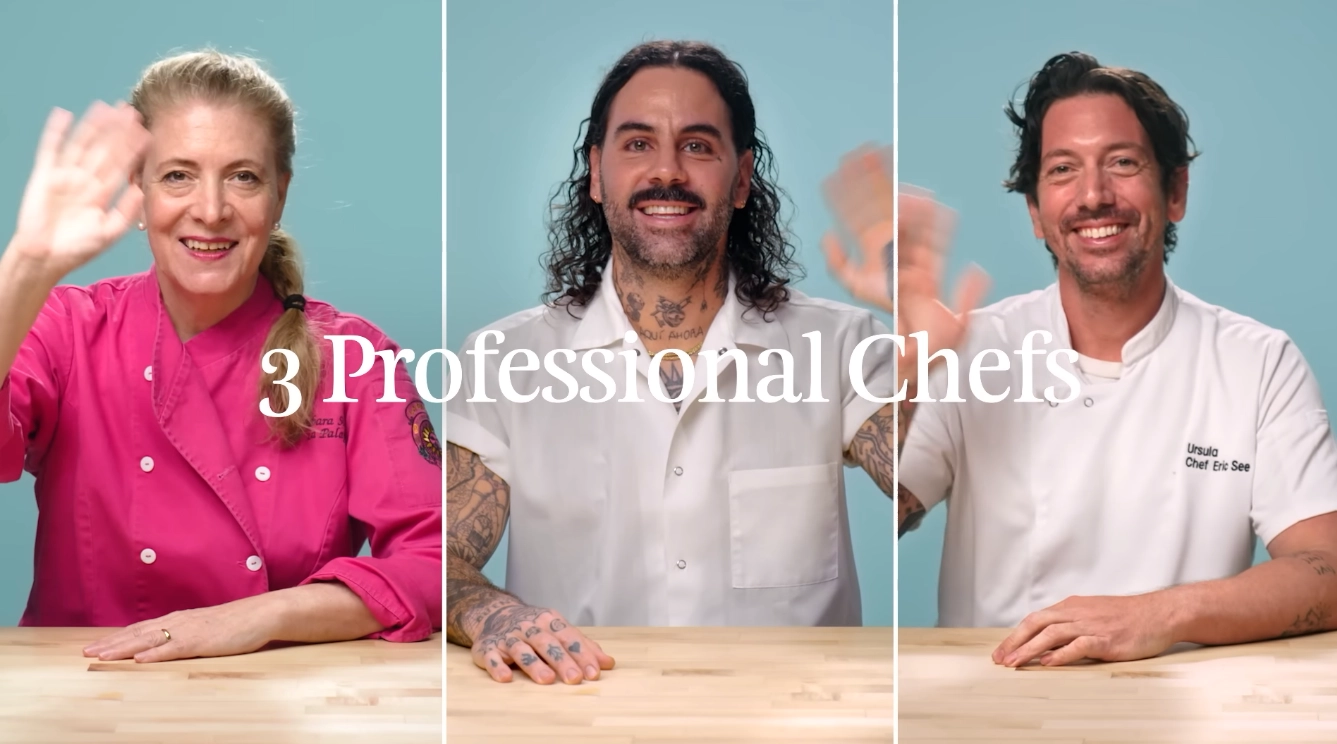
In the fluorescent-lit aisles of the supermarket, the salsa section is a minefield of deception. Labels scream "authentic," "roasted," and "fresh," but for the discerning palate, the reality inside the jar often tells a different, sadder story. Three professional chefs stripped away the branding to blind taste test every major supermarket salsa, and the results expose a stark divide between genuine flavor and processed pulp.
The Marinara Trap
The most pervasive crime in the salsa aisle is the "tomato paste" profile. Brands like Tostitos and Mission fall squarely into this trap. One chef noted that Tostitos tasted of nostalgia but lacked the complexity of a real salsa, describing it as "tomato puree... in tomato juice" [01:57]. The Mission chunky salsa fared even worse, described as "boring" and "tomato juice," devoid of any balance or spice [12:40].
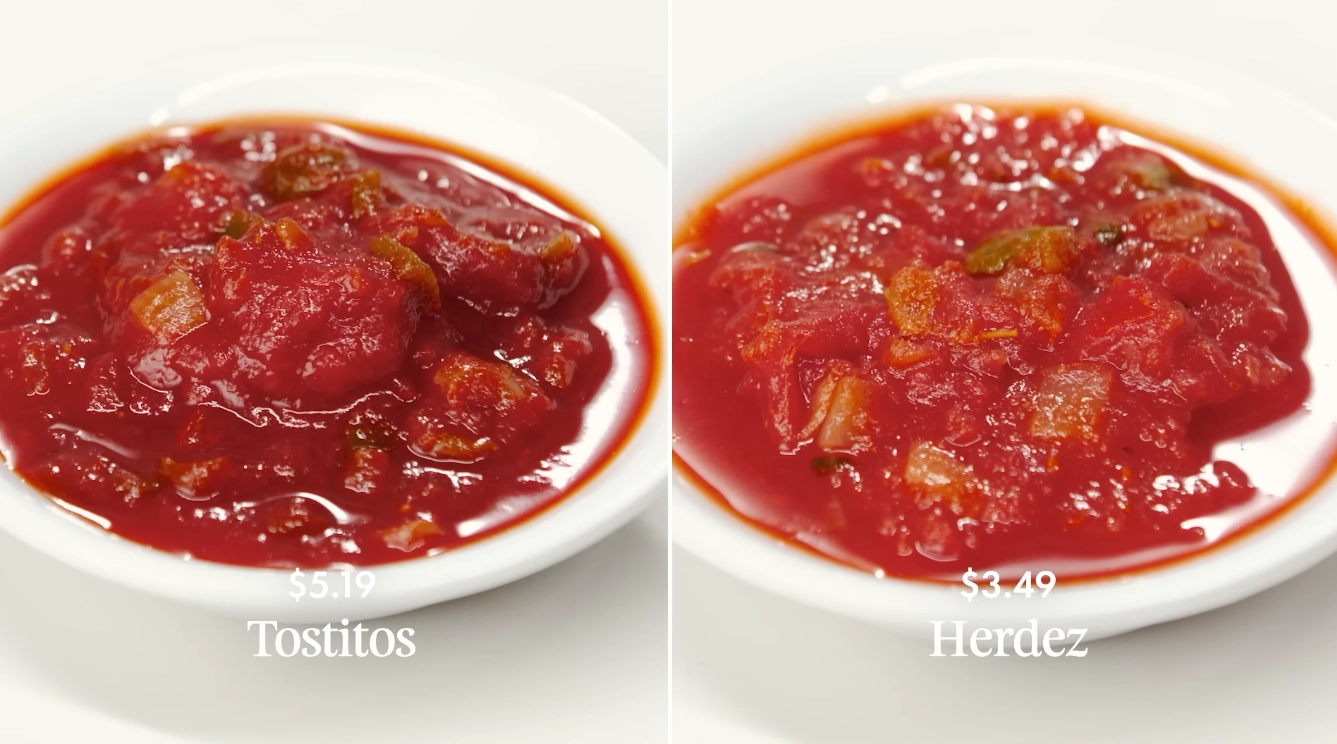
This mediocrity extends to the Chi-Chi’s brand, which chefs criticized for being sweet, garlic-heavy, and lacking any detectable heat, ultimately failing to deliver the promised "fiesta" [14:28]. These salsas are designed for mass appeal and shelf stability, sacrificing the vibrant acidity and heat that define Mexican cuisine for a flavor profile uncomfortably close to pizza sauce [13:35].
The "Dog Food" Disasters
If the tomato salsas were disappointing, the corn and bean category was an outright culinary offense. The Stonewall Kitchen Black Bean Salsa was the consensus loser, visually compared to "dog food" [26:43]. Chefs found it confusingly sweet and vinegary, with frozen corn textures that had no place in a quality dip [27:17]. Similarly, the Desert Pepper Corn Black Bean Salsa was panned as a "lazy" concoction that tasted overwhelmingly of vinegar with no balance [28:33].
The Beacons of Flavor
Amidst the sea of mediocrity, a few jars managed to impress the expert panel, proving that good store-bought salsa exists if you know where to look.
The Freshness Kings:
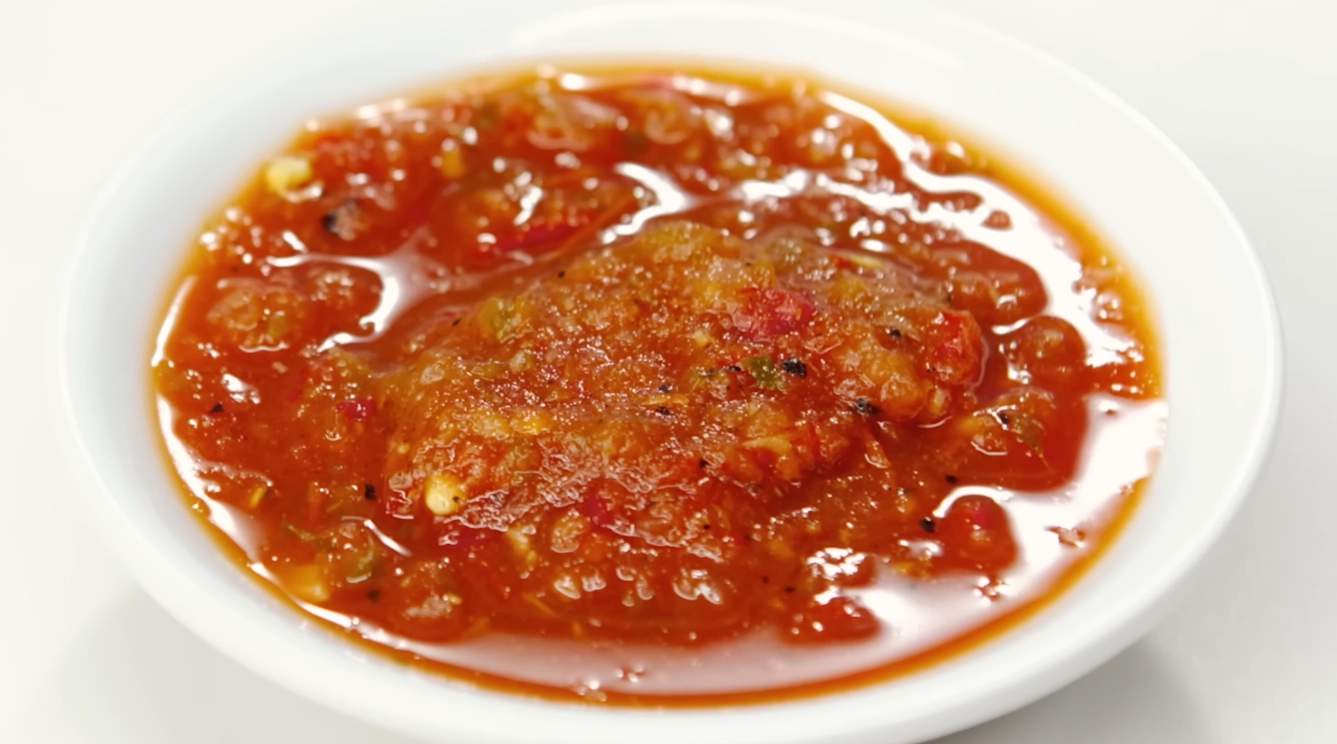
Jalapa Jar stood out immediately for its "fresh" taste, avoiding the over-processed feel of its competitors. It delivered a genuine "fiesta" of flavor that the big brands couldn't match [05:38].
Ithaca Medium Salsa also earned high praise for its bright, vibrant color and distinct fresh garlic flavor, a rarity in the shelf-stable world [09:14].
The Flavor Complexities:
Siete Salsa Roja was a top contender, celebrated for its "charred, roasted" profile. Unlike the watery competition, it offered a sharp heat, smokiness, and a chocolatey depth from dried chilies [11:27].
La Fundidora Fuego Salsa wowed the judges with its sophisticated interplay of tomatillos and two types of dried chilies (Guajillo and Arbol). It balanced earthiness, smokiness, and acidity perfectly, making it a dream for tacos [15:14].
The Unique Standout:
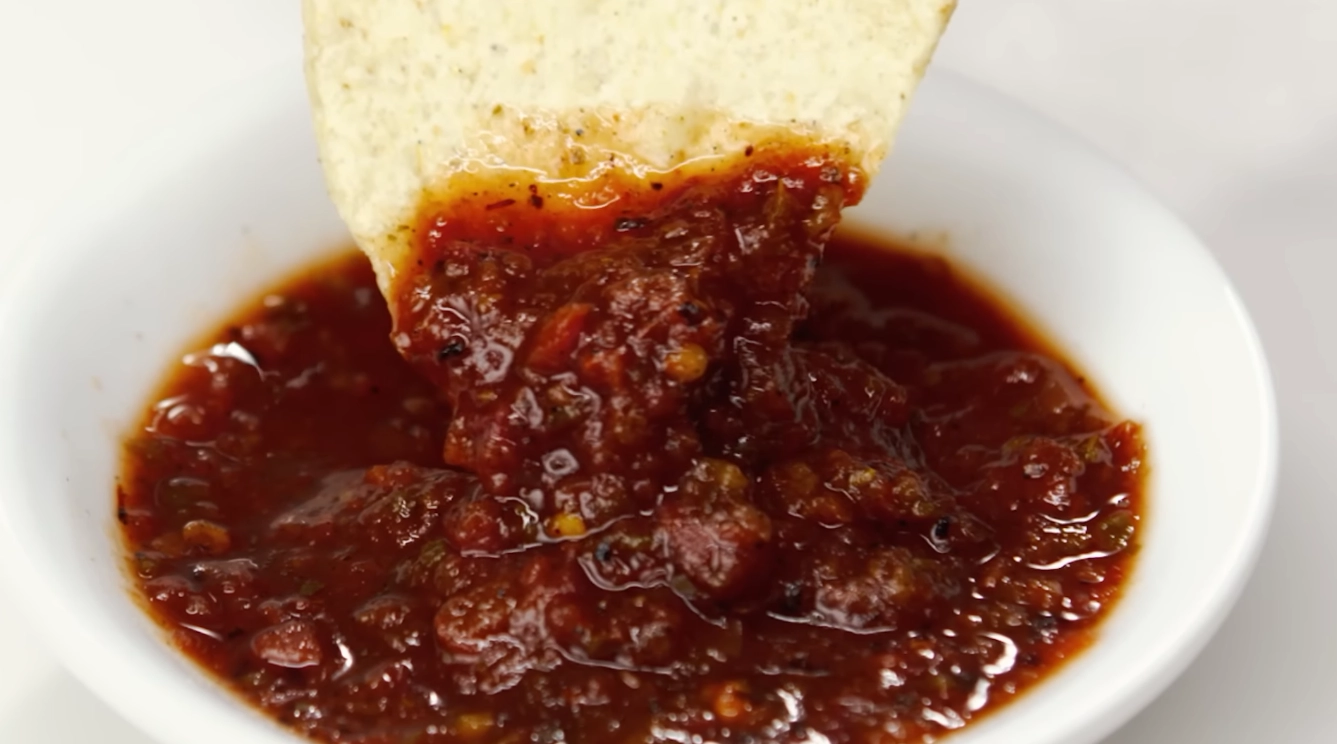
Trader Joe’s Hatch Valley Salsa earned the title of favorite for its unique, region-specific flavor profile. It showcased the "deep, wonderful chile flavor" of Hatch peppers without relying on tomato fillers, tasting fresh and authentic to the Southwest [22:14].
The Crunch Factor: Salsa Macha
The panel also explored salsa macha, an oil-based condiment rich in nuts and seeds. The Chintextle (Chile Con Cacahuate) salsa macha was a revelation for the chefs. It delivered a "lingering heat," fruity sweetness from the chilies, and a satisfying crunch from peanuts, hitting every mark for a perfect oil-based salsa [31:22].
Verdict
The investigation is clear: most supermarket salsas are little more than thickened tomato juice. To avoid the "marinara trap," consumers should steer clear of the legacy "party" brands and look for labels like Siete, La Fundidora, or Trader Joe’s Hatch Valley that prioritize specific chilies and roasting techniques over fillers and sugar.

Comments